

Views: 0 Author: Site Editor Publish Time: 2026-01-26 Origin: Site


When investing in automotive enhancements like car window film, one of the most crucial aspects to consider is its durability. The longevity of the film not only affects the aesthetics and privacy of your vehicle but also determines how effective it will be in protecting your car’s interior from harmful UV rays and reducing heat. At HIGHCOOL, we specialize in offering a range of top-quality films that enhance the driving experience, ensuring protection, privacy, and comfort for years to come. But how long does car window film truly last, and what factors influence its lifespan? This article breaks down the essential elements to understand the longevity of window films, helping you make an informed choice for your vehicle.
The lifespan of car window film is influenced by several factors, including the quality of the film, installation techniques, and environmental conditions. Let's explore these key determinants.
The type of material used in the production of the window film plays a major role in its durability. HIGHCOOL offers a range of window films, including vinyl, removable, reflective, and temporary films, each with varying levels of durability. Films such as dyed films typically last between 3–5 years, offering basic tinting without much heat resistance. Carbon films are a better option for durability, with an average lifespan of 7–10 years, and they provide better heat rejection and are fade-resistant. Ceramic films stand out for their long-lasting benefits, often exceeding 20 years, offering superior UV and heat protection for those looking for premium performance. The better the quality of the material, the longer the film is likely to last, making it crucial to choose high-performance options like those offered by HIGHCOOL.
The difference in materials impacts more than just how long the film lasts; it also affects how well the film performs over time. Higher-quality films, such as those made with ceramic technology, resist fading, cracking, and peeling better than their lower-quality counterparts. This means they continue to provide optimal UV and heat rejection for longer, ensuring that your car stays cooler and your interior remains protected for many years.
The installation process is another critical factor affecting the lifespan of car window film. While it may be tempting to save money with DIY installation, professional installation by HIGHCOOL ensures that the film adheres properly to your car’s windows, minimizing risks such as bubbling or peeling. A professional installer can also ensure that the film is applied with the proper pressure and alignment, which helps maintain its durability and visual appeal for longer. DIY installation might be cheaper upfront, but it can lead to complications down the road, including uneven application and a reduced lifespan of the film.
Improper installation can cause a variety of issues. For example, when the film is applied too tightly or too loosely, it can affect how well it bonds to the glass, which may result in bubbling or peeling over time. HIGHCOOL professional installers ensure that the film is precisely cut and applied with care, maximizing the film’s effectiveness and longevity.
Environmental conditions play a significant role in the longevity of car window film. The amount of direct sunlight, heat, and humidity your vehicle is exposed to can accelerate the degradation of the film. For instance, in areas with extremely high temperatures or frequent exposure to UV rays, the film may degrade faster. Additionally, the type of climate in which you live can also affect the performance of the film. HIGHCOOL window films, designed with advanced heat rejection and UV protection technology, help mitigate these effects, offering your vehicle enhanced comfort, even in harsh climates.
Long-term exposure to sunlight is a significant factor in how quickly window films begin to break down. The constant bombardment of UV rays can cause the dyes and adhesives used in the film to degrade, leading to fading or peeling. This is why choosing a high-quality film, such as those made with ceramic or carbon technology, is essential for long-term protection.
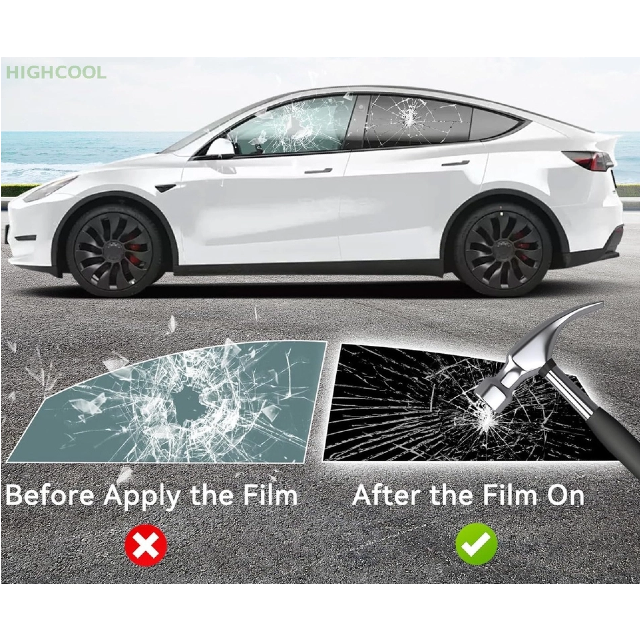
When choosing car window film, it's essential to understand the expected lifespan based on the type of film you select. Each type of film offers different advantages in terms of longevity, protection, and performance.
Dyed Film: Typically lasts 3–5 years. While this film provides basic tinting and privacy, its heat rejection and UV protection capabilities are limited. This film is a good option for those looking for an affordable, short-term solution.
Metalized Film: Offers a longer lifespan of 5–10 years. It features better heat rejection and reflective qualities but can sometimes interfere with signals (e.g., radio or GPS). This film is ideal for those seeking better temperature control at a more affordable price.
Carbon Film: Provides a more durable and fade-resistant option, lasting 7–10+ years. Carbon films are popular for their high heat rejection properties. They are a step up from metalized films, providing excellent performance without the risk of signal interference.
Ceramic Film: Known for its premium quality, ceramic films last 10–20+ years. They offer excellent UV and heat protection without the drawbacks of metalized films, such as signal interference. Ceramic films provide superior performance, particularly in terms of heat rejection, while maintaining clarity and privacy.
Table: Expected Lifespan of Car Window Films
Film Type | Avg. Lifespan | Key Feature |
Dyed Film | 3–5 years | Basic tinting |
Metalized Film | 5–10 years | Better heat rejection |
Carbon Film | 7–10+ years | Fade-resistant |
Ceramic Film | 10–20+ years | Premium UV & heat protection |
These expected lifespans are based on industry averages, and actual results may vary depending on factors such as maintenance and environmental exposure. HIGHCOOL’s range of films ensures that no matter what your needs are, you can expect a product that delivers excellent performance throughout its life.
Even the best car window films eventually show signs of wear and tear. Knowing when to replace your film can help maintain the look and functionality of your vehicle’s windows. Here are some common signs that it might be time for a replacement:
Fading or Color Shift: Over time, window films may lose their tint, becoming lighter or discolored due to prolonged sun exposure. This affects both aesthetics and the film's ability to provide privacy and UV protection.
Bubbling or Peeling: One of the most noticeable signs of damaged window film is bubbling or peeling. This is typically a result of poor installation or prolonged exposure to high heat and humidity.
Reduced Heat/UV Protection: As the film begins to deteriorate, its heat and UV rejection properties decrease, meaning your vehicle's interior is less protected from harmful rays, leading to higher temperatures inside the car.
If you notice any of these signs, it may be time to replace your car window film to restore its protective features and improve the comfort of your vehicle.
Taking care of your car window film can extend its lifespan, ensuring that it remains effective for as long as possible. Here are some tips to help you maximize the longevity of your window film:
When cleaning the windows of your vehicle, it’s essential to use the right cleaning products. Avoid harsh chemicals or abrasive materials that can scratch or damage the film. Instead, use a soft cloth and a mild detergent solution to gently clean the surface. It's also advisable to wait at least a week after installation before cleaning the windows to ensure the film has fully cured.
Where you park your car and how much sunlight your vehicle is exposed to can significantly impact the lifespan of the film. Whenever possible, try to park in shaded areas or use sunshades to reduce the direct heat and UV exposure to your windows. This can help preserve the film's color and effectiveness, especially in hot climates. Additionally, keeping your vehicle covered or using UV-blocking window treatments can help protect both the film and your car’s interior.
Understanding how long car window film lasts and what factors influence its lifespan is essential for making an informed decision. HIGHCOOL offers a range of premium window films designed to provide long-lasting protection, comfort, and privacy for your vehicle. By choosing high-quality materials, opting for professional installation, and maintaining the film properly, you can extend the life of your window film and enjoy its benefits for years to come. If you’re ready to enhance your vehicle’s performance, comfort, and style, HIGHCOOL is your trusted partner in automotive film solutions.
For more information on how our high-quality car window film can transform your driving experience, contact us today!
1. How long does ceramic window film last?
Ceramic car window film can last up to 20 years or more with proper care. It offers the best protection against UV rays and heat.
2. How do I know when my window film needs replacement?
Signs of deterioration such as bubbling, peeling, or fading are clear indicators that your car window film needs replacement.
3. Can I install car window film myself?
While DIY installation is possible, professional installation is recommended to ensure the film adheres properly and lasts longer.
4. Does car window film affect visibility?
No, HIGHCOOL window films are designed to improve privacy and reduce glare while maintaining excellent visibility.


