

Views: 288 Author: Site Editor Publish Time: 2026-03-23 Origin: Site


Paint Protection Film (PPF) has become an essential investment for car owners who want to preserve the aesthetic beauty of their vehicles while protecting them from the harsh realities of the road. From small rock chips to fading caused by UV exposure, PPF offers a protective layer that shields your car’s paint from everyday hazards. But just how long does PPF last, and what factors influence its durability? In this article, we will explore the lifespan of PPF, the factors that can affect its longevity, and the maintenance practices that can extend its effectiveness. Whether you're considering PPF for your new car or evaluating its longevity on a vehicle you've already treated, this guide will provide you with everything you need to know to make an informed decision.
Paint Protection Film (PPF) is a transparent, durable, and self-healing polymer film that is applied to a vehicle's paint surface to protect it from various environmental factors. Typically made from thermoplastic urethane, PPF is designed to absorb impact and resist scratches, chips, and stains caused by road debris, rocks, and other hazards.
PPF is an effective solution for preserving the aesthetic appeal of your car, offering protection against the elements such as UV rays, water, dirt, and even chemical contaminants. While it is most commonly applied to high-impact areas like the front bumper, hood, and side mirrors, PPF can be used to cover the entire vehicle for complete protection.
PPF offers a variety of benefits, making it an essential investment for vehicle owners who want to preserve their car's appearance. Some of the key advantages include:
Durability: PPF can endure harsh conditions such as road debris, weather elements, and minor scratches without degrading.
Aesthetic Preservation: It maintains the vehicle's original paint color and gloss, keeping your car looking new for years.
Self-Healing Properties: Many modern PPFs have self-healing technology, meaning minor scratches and swirl marks disappear over time when exposed to heat.
UV Protection: PPF acts as a shield against UV rays, preventing your car's paint from fading or discoloring due to sun exposure.
Increased Resale Value: A car with well-maintained paint is often more valuable when sold or traded in.
The lifespan of PPF is greatly affected by the environmental conditions it is exposed to. Vehicles in areas with extreme weather conditions such as high temperatures, heavy rain, snow, or intense UV rays may experience more wear and tear on the film over time. Additionally, pollutants such as bird droppings, tree sap, and road salts can damage the film if not cleaned properly.
UV Exposure: Prolonged exposure to UV rays can lead to yellowing or fading of the film over time, especially if it is a lower-quality product. The better the UV protection of the PPF, the longer it will last without discoloration.
Weathering and Chemical Damage: Harsh weather conditions, including intense heat or humidity, can deteriorate the adhesive properties of the film. Exposure to chemicals like gasoline or oil can cause damage if spilled on the PPF and not cleaned promptly.
Maintaining PPF is essential for ensuring that it lasts as long as possible. Regular cleaning and proper care will preserve the film’s functionality and appearance. Here are some key maintenance practices:
Washing: Regular washing with non-abrasive car shampoo helps remove dirt and debris that could cause micro-scratches on the PPF surface.
Drying: Always dry your car with a soft microfiber towel to avoid scratching the film.
Avoid Harsh Chemicals: Stay away from harsh chemicals or cleaners that can degrade the film’s surface. PPF should only be cleaned with pH-neutral car wash solutions.
Proper maintenance will help your PPF retain its protective properties and extend its lifespan, often ensuring it lasts for several years.
The lifespan of Paint Protection Film can vary depending on the brand and the type of PPF used. High-quality brands like 3M, XPEL, and Suntek typically offer warranties that last between 5 to 10 years, with some even offering lifetime warranties. These high-end products are designed to provide superior protection and durability.
3M PPF: Offers a warranty of up to 10 years and is known for its high durability and excellent self-healing properties.
XPEL PPF: Comes with a warranty ranging from 5 to 10 years, offering one of the most reliable protective coatings on the market.
Suntek PPF: Also offers a 10-year warranty, providing lasting protection against common environmental threats.
On average, PPF will last anywhere between 5 to 10 years depending on the quality of the film, the environment in which it is used, and how well it is maintained. However, with proper care, the film can often last longer, especially when applied by professionals and maintained regularly.
When applied to a well-maintained vehicle, PPF can protect your car for an extended period without significant degradation, keeping your paint looking pristine for years to come.
One of the best ways to extend the lifespan of your PPF is through routine maintenance. Here are a few tips to help maintain the film:
Regular Washes: Ensure your vehicle is washed regularly, particularly after exposure to dirt, road salts, or other contaminants.
Avoid Automatic Car Washes: Automatic car washes, particularly those with brushes, can cause scratches on the PPF and reduce its protective capabilities.
Use a Non-Abrasive Cleaning Cloth: Always use microfiber towels and non-abrasive sponges to clean the film’s surface.
These basic maintenance habits will help keep your PPF in optimal condition, preventing wear and ensuring its protective capabilities remain intact.
To prolong the life of your PPF, it is important to minimize its exposure to harsh conditions:
Avoid Direct Sun Exposure: Try to park your car in a shaded area or use a car cover to minimize UV damage.
Immediate Clean-Up of Contaminants: If you spill chemicals like gasoline or bird droppings on your car, clean them immediately to prevent long-term damage.
By taking steps to protect your PPF from environmental damage and contaminants, you can help ensure its longevity.
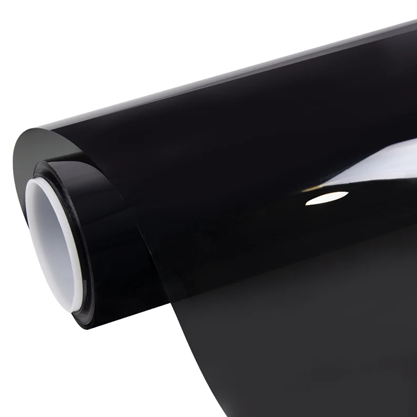
One of the key differences in PPF types is the self-healing capability. Self-healing PPF is designed to repair minor scratches and swirl marks when exposed to heat. This makes it more durable compared to standard PPF, which may not heal after damage. Self-healing PPF is typically more expensive but offers a longer-lasting, low-maintenance solution for vehicle protection.
Ceramic-coated PPF combines the protective benefits of PPF with the added advantage of ceramic coating. The ceramic layer enhances the hydrophobic properties of the film, making it more resistant to water, dirt, and contaminants. This type of PPF is typically more durable than traditional PPF, with some products lasting even longer due to their enhanced protective capabilities.
One of the most common issues with PPF, especially over time, is yellowing or discoloration, particularly when exposed to excessive UV light. However, higher-end PPF brands now offer UV-resistant coatings that significantly reduce the risk of discoloration. Regular maintenance, such as washing and waxing, can also help prevent this problem.
While PPF is designed to resist scratches and minor impacts, it can still suffer from physical damage, especially from sharp objects like keys or debris. It’s important to avoid harsh treatment and to promptly clean off any contaminants that may scratch the film’s surface.
Investing in PPF provides long-term protection for your car, preserving its aesthetic appeal and maintaining its resale value. For car enthusiasts or owners of high-end vehicles, PPF is a wise investment to protect their car’s paint from daily wear and tear. While the initial cost of installation can be high, the benefits of long-term protection and peace of mind are worth it.
When comparing PPF to other car protection options such as ceramic coatings or waxing, PPF offers superior protection against physical damage like chips and scratches. While ceramic coatings offer excellent water and dirt repellency, they do not provide the same level of impact protection that PPF does. Therefore, PPF is often the better option for those seeking comprehensive protection.
Yes, PPF can be applied to vehicles of any age, as long as the paint is in good condition. The film will help preserve the vehicle’s existing paint and protect it from further damage.
Yes, one of the main purposes of PPF is to protect your vehicle’s paint from stone chips and other debris that can cause damage. It acts as a barrier between the paint and the environment.
Typically, PPF does not need to be replaced for 5 to 10 years. However, if the film becomes damaged or starts to show signs of wear, it may need to be replaced sooner.
No, in fact, PPF can increase your car’s resale value by maintaining the original paint in pristine condition. Potential buyers may see the added protection as a positive feature, especially for high-end or luxury vehicles.
In conclusion, Paint Protection Film (PPF) is a highly effective solution for maintaining the appearance and condition of your vehicle's paintwork. With proper care and maintenance, PPF can last anywhere from 5 to 10 years or even longer, depending on factors like the quality of the film, environmental conditions, and how well the film is maintained. Regular cleaning, protection from harsh weather, and prompt removal of contaminants can significantly extend the lifespan of your PPF. Additionally, investing in high-quality PPF brands with self-healing properties or ceramic coatings can provide added durability and protection. Ultimately, PPF not only enhances the longevity of your car’s paint but also boosts its resale value, making it a worthwhile investment for any vehicle owner seeking long-term protection.


