

Views: 226 Author: Site Editor Publish Time: 2025-09-09 Origin: Site


A sensible question for anyone considering paint protection is: how long does TPU PPF actually last? The lifespan of a paint protection film significantly affects its cost-effectiveness, and knowing realistic expectations can help car owners make informed decisions. At Highcool, we specialize in premium automotive paint protection films engineered to maintain your vehicle’s appearance while providing durable protection. This article outlines typical TPU PPF lifespans, factors that affect longevity, what warranties really cover, signs it’s time to replace your film, and practical tips to extend its life.
When evaluating TPU PPF, it’s important to understand the differences between premium and lower-end films. The lifespan can vary widely depending on the material, installation, environment, and maintenance.
Premium TPU paint protection films are engineered to last. Industry reports and manufacturer data commonly quote lifespans of 7–12 years when properly installed and maintained. These films feature advanced topcoats with UV inhibitors and self-healing properties that help resist scratches, yellowing, and environmental damage. At Highcool, our TPU films are developed to deliver this level of performance while maintaining a high-gloss, clear finish that keeps your car looking new for years.
Lower-cost TPU or generic films tend to last significantly less, typically between 3–6 years. These films often have thinner protective layers, fewer UV-resistant coatings, and reduced chemical resistance, making them more susceptible to yellowing, edge lifting, and permanent scratches. While they may offer short-term protection, car owners should be aware that lower-end options may not justify the investment in the long term.
Several key factors influence how long TPU PPF maintains its protective and aesthetic qualities. Understanding these variables can help you make the right choice and maximize the life of your film.
The base TPU material and topcoat determine much of the film’s durability. High-quality TPU films feature advanced polymers that resist cracking and yellowing, while topcoats provide UV protection and self-healing properties. Films with inferior topcoats or thin layers may deteriorate faster under sun exposure, rain, and chemical contact. Choosing a high-end product from a reputable manufacturer like Highcool ensures that the film retains its clarity and protective performance over many years.
Proper installation is essential for achieving the full lifespan of TPU PPF. Poor installation, such as improper edge sealing, excessive stretching, or trapped air bubbles, can accelerate wear and lead to early delamination. Professional installation not only ensures a smooth, invisible finish but also maximizes durability, maintaining the film’s ability to withstand chips, scratches, and environmental exposure.
Environmental factors play a significant role in TPU PPF longevity. Cars frequently exposed to intense sunlight, road salt, acid rain, or industrial pollutants experience faster degradation. UV rays in particular can break down lower-quality films, causing yellowing and loss of gloss. Harsh climates or areas with high chemical exposure may shorten a film’s lifespan, even for premium TPU PPF. Using films with advanced UV inhibitors, like those offered by Highcool, mitigates these risks and helps maintain appearance.
The type of driving also affects how long a TPU PPF lasts. Vehicles regularly driven off-road, on gravel, or in areas with heavy stone impact endure more wear. Even premium films can show signs of abrasion or minor scratching under intense conditions. For drivers seeking maximum protection, combining a durable TPU film with careful maintenance ensures optimal longevity.
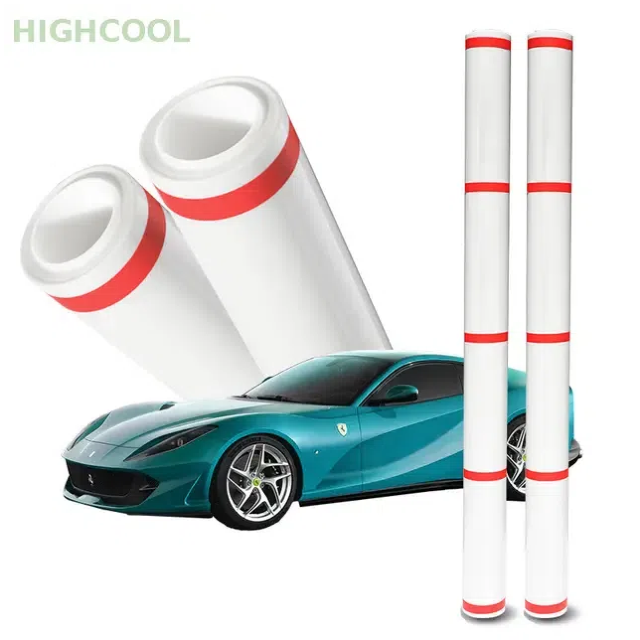
Understanding how manufacturers communicate lifespan and what their warranties include is crucial to making an informed choice.
Many TPU PPF brands provide warranties of 5–12 years. However, the stated warranty often comes with conditions. Warranties typically cover defects in materials and topcoat performance under normal use. Real-world durability can differ based on installation quality, cleaning methods, and environmental conditions. It’s essential to read the fine print to ensure that your warranty aligns with your expectations and that the film is installed according to manufacturer specifications, such as those recommended by Highcool.
Certain actions can void a PPF warranty. Improper installation, use of harsh cleaning chemicals, aftermarket adhesives, or mechanical damage can all invalidate coverage. To protect your investment, follow professional guidance for installation and maintenance. Highcool provides clear instructions to help customers maintain warranty validity while keeping their vehicles protected.
Even the best TPU PPF eventually requires replacement. Car owners should watch for signs that indicate it’s time to consider a new film.
Yellowing: A noticeable yellow tint reduces the film’s aesthetic value and may indicate UV damage.
Delamination: Edges lifting or bubbling shows the adhesive has failed, often due to age or poor installation.
Excessive Edge Lifting: Lifting corners are prone to dirt accumulation and may spread further.
Permanent Scratches: Films without self-healing topcoats may show irreversible marks from repeated abrasion.
Loss of Gloss: Dull appearance signals the topcoat is degrading and protection is diminishing.
Highcool’s TPU films are engineered to resist these issues longer than lower-end alternatives, giving car owners peace of mind.
Maintaining your TPU PPF properly is critical to achieving its full lifespan. There are practical measures every car owner can take.
Using a ceramic coating specifically designed for PPF adds an extra layer of protection, enhancing scratch resistance and ease of cleaning. Avoid harsh chemicals, abrasive polishes, and automated car washes with stiff brushes that may compromise the film’s surface. Gentle washing with pH-neutral soaps and microfiber cloths preserves clarity and protective qualities.
Whenever possible, park your vehicle in shaded or covered areas to reduce UV exposure. Regularly inspect your film for early signs of lifting or scratches and address minor issues promptly. Proper care, as recommended by Highcool’s experts, can extend your TPU PPF life well beyond average expectations.
Understanding the lifespan of TPU PPF helps car owners make informed choices and maximize the return on their investment. Premium TPU films, like those offered by Highcool, typically last 7–12 years when installed correctly and maintained with appropriate care. Lower-end films may last 3–6 years but often show early signs of wear. Factors such as film quality, installation, environmental exposure, and vehicle use all play a role. By selecting high-quality TPU PPF and following practical maintenance tips, car owners can keep their vehicles looking pristine for years. For detailed product options and professional advice, contact us at Highcool to learn more about our full range of paint protection films designed to safeguard your car while enhancing its aesthetic appeal.

