

Views: 226 Author: Site Editor Publish Time: 2025-10-03 Origin: Site


When it comes to protecting your vehicle's finish, the terms TPU and PPF are often used interchangeably, leaving many buyers confused. TPU (thermoplastic polyurethane) is actually the material used in some paint protection films (PPF), while PPF refers to the broader product family of protective films. At Highcool, we specialize in premium automotive films, and in this article, we clarify the differences between TPU-based PPF and other types of films, helping car owners choose the solution that fits their needs.
Thermoplastic polyurethane (TPU) is a highly flexible, durable polymer used in advanced PPF. In contrast, paint protection film (PPF) is the general term for a clear or matte film applied to a vehicle's painted surfaces to shield it from scratches, stone chips, and environmental damage. Some PPF use TPU as the base material, while others rely on older or alternative materials like PVC or TPH (thermoplastic hybrid). Understanding this distinction is crucial for making an informed purchase.
Many automotive forums and online discussions describe “TPU film” or “PPF vs TPU” as though TPU is an entirely separate product. This is a misphrasing; a better way to frame the comparison is TPU-based PPF versus non-TPU PPF. This distinction will guide buyers toward the most suitable choice for long-term protection and appearance.
TPU-based PPF is renowned for its combination of durability and elasticity. The material stretches without tearing, allowing installers to cover complex curves and edges seamlessly. One of the most celebrated features of TPU PPF is its self-healing capability. Minor scratches or swirl marks can disappear when exposed to heat, whether from sunlight or warm water. This property significantly reduces maintenance needs and helps maintain a flawless finish over time.
High-quality TPU films provide excellent optical clarity. When paired with a premium topcoat, TPU PPF maintains a glossy, mirror-like finish for years, without yellowing or clouding. This makes it ideal for car enthusiasts who prioritize appearance as well as protection. The film’s transparency ensures that the underlying paint color remains vibrant, preserving the vehicle’s showroom look.
Premium TPU-based PPF typically lasts longer than older PVC or hybrid films. Depending on installation conditions, climate, and care, top-tier TPU films can provide reliable protection for 7–10 years. This longevity often justifies the higher upfront cost for owners who plan to keep their vehicles long-term, making TPU PPF a cost-effective choice in the broader sense.
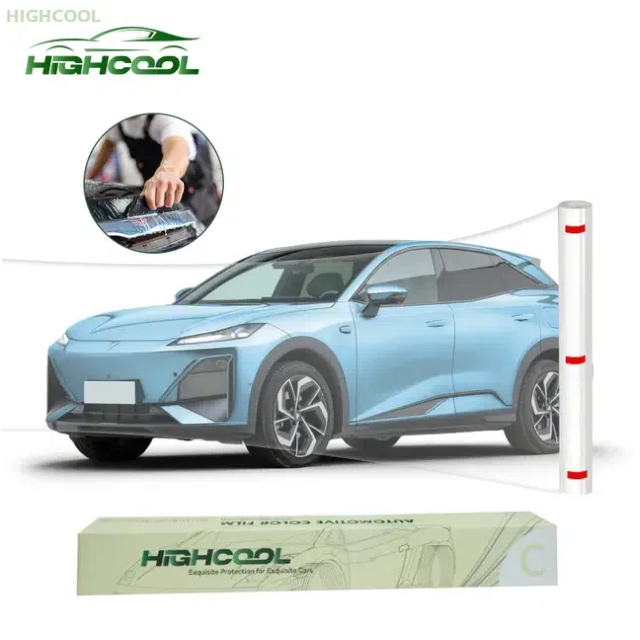
Non-TPU films such as PVC or TPH are generally less expensive. For budget-conscious buyers, these films offer basic protection against scratches and chips at a fraction of the cost of premium TPU films. While the performance is lower in terms of flexibility and self-healing, they can still be sufficient for everyday driving or short-term vehicle protection.
Non-TPU PPF is often chosen for budget vehicles, leased cars, or temporary protection scenarios. These films work well for cars that will not undergo extensive detailing or where cost is a more significant factor than long-term aesthetics. For fleet vehicles or rental cars, non-TPU films provide acceptable protection without a major investment.
PVC and older hybrid films generally have lower elongation rates, meaning they are less capable of stretching around curves or edges without wrinkling. They also lack the self-healing properties that make TPU films stand out, and their clarity can degrade faster under UV exposure, resulting in a hazy or yellowed appearance over time.
In terms of performance, TPU-based PPF clearly excels in elongation, puncture resistance, and UV stability. It can stretch and conform to complex curves without tearing and withstand minor impacts better than non-TPU films. Non-TPU films are less durable and more prone to scratching, yellowing, or clouding over time. When it comes to cost, TPU films are more expensive upfront, whereas PVC or TPH-based films provide a lower-cost alternative for budget-sensitive buyers. Installation can also differ: TPU requires skilled installers to manage its elasticity effectively, while non-TPU films are easier to apply but less forgiving of mistakes. For warranties, premium TPU PPF usually comes with longer coverage, reflecting its extended lifespan and superior durability.
For the average car owner, the differences that matter most are visual maintenance, longevity, and protection from daily wear. TPU’s self-healing and optical clarity ensure a polished, showroom-quality look with minimal effort, whereas non-TPU films provide basic protection but may show scratches or discoloration sooner.
For daily commuters, both TPU and non-TPU films can work, depending on budget and long-term expectations. TPU provides long-term protection and minimal maintenance, making it ideal for owners who plan to keep their cars for many years. Budget-conscious drivers may opt for non-TPU films to safeguard against scratches and minor damage without a large upfront investment.
For show cars or collector vehicles, premium TPU is recommended due to its optical clarity, self-healing properties, and ability to preserve a flawless finish over time. This ensures the car maintains a pristine appearance and can command a higher resale value.
Leased vehicles or short-term protection scenarios may not require TPU, and non-TPU films can offer sufficient coverage at a lower cost. However, if the budget allows, TPU is always preferable for its durability and aesthetic benefits.
From a long-term perspective, investing in TPU-based PPF provides the best balance of protection, visual appeal, and resale value, whereas non-TPU options may suffice for temporary use or tight budgets. Considering the full life cycle of the vehicle and expected maintenance, TPU offers greater value over time.
For car owners seeking top-tier protection and lasting aesthetics, TPU-based PPF is the superior choice. Its combination of durability, flexibility, self-healing, and optical clarity makes it ideal for vehicles that are meant to look their best for years. Non-TPU films can provide a cost-effective alternative for short-term protection or budget installations, but may not deliver the same long-lasting results. At Highcool, we provide premium TPU PPF options designed to safeguard your car while enhancing its appearance. Contact us today to explore our full range of paint protection films and find the right solution for your vehicle.

