

Views: 0 Author: Site Editor Publish Time: 2026-03-09 Origin: Site


Paint Protection Film (PPF) is widely recognized for its ability to protect vehicle paint from chips, scratches, and contaminants. However, car owners often wonder whether PPF can also protect their vehicle from yellowing and UV damage, two of the most common problems that affect automotive paint over time. In this article, we’ll explore whether PPF offers protection against yellowing and UV damage, the technology behind it, and how to ensure your PPF lasts as long as possible.
One of the main advantages of Paint Protection Film (PPF) is its ability to provide long-lasting protection against various environmental elements that can damage your vehicle's paint. Road debris, stones, gravel, and even insects can cause small chips and scratches that gradually deteriorate the appearance of your car. PPF acts as a sacrificial layer, absorbing the impact from such elements and preventing them from reaching the paint, ensuring your car stays looking fresh.
Without PPF, your car’s paint is left exposed to these risks, leading to costly repairs or resprays over time. By investing in PPF, you're ensuring that your car’s appearance remains pristine for years, without the worry of minor imperfections affecting its overall look.
Another significant benefit of applying PPF is that it helps preserve your vehicle’s resale value. Cars with well-maintained, damage-free paint are often worth more than those that show signs of wear and tear from road hazards. By using PPF, you are essentially protecting your investment and increasing the likelihood that your car will retain its high value when it’s time to sell or trade it in.
Additionally, PPF can provide a layer of protection that makes your car easier to clean and maintain. The film repels dirt, grime, and other contaminants, making regular washing quicker and more effective, further enhancing the vehicle’s long-term appearance and overall care.
Yellowing is a common issue with vehicle paint and protective coatings over time, especially when exposed to prolonged sunlight and UV rays. However, PPF is designed to resist this discoloration. High-quality PPFs contain UV inhibitors and stabilizers that prevent the film itself from yellowing, ensuring that the protective layer remains clear for years. These UV inhibitors work by blocking harmful UV rays from penetrating the film, which not only protects the car’s paint from fading but also ensures that the PPF retains its clarity.
Most modern PPFs are made from materials that are specifically engineered to resist yellowing and discoloration. This helps keep the vehicle looking new, even after years of exposure to sunlight and harsh weather conditions. However, it’s important to note that lower-quality PPFs may not be as effective in preventing yellowing, so it’s essential to choose a high-quality brand for optimal protection.
UV rays are one of the primary causes of yellowing and fading on automotive surfaces. Over time, UV rays cause chemical reactions that break down the molecular structure of the paint and protective films, leading to discoloration. By blocking UV rays, PPF helps preserve both the car’s paint and the film itself, preventing the kind of damage that can lead to yellowing.
The UV protection built into PPF also ensures that the car’s paint underneath remains unaffected by sunlight. The film acts as a shield that prevents the paint from fading, keeping the car’s original color vibrant and intact for longer.
UV rays from the sun can cause significant damage to a car’s paint over time. Prolonged exposure to UV radiation leads to fading, oxidation, and the breakdown of the clear coat. This process results in a dull, faded appearance that diminishes the vehicle's overall look and reduces its resale value.
In addition to fading, UV damage can also cause the paint to lose its gloss and shine. The clear coat, which protects the paint beneath it, can become brittle and start to peel or crack under the continuous assault of UV rays. Without proper protection, your car’s paint will eventually degrade, leading to the need for costly repairs or resprays.
PPF plays a crucial role in protecting your car from UV damage. The film’s UV inhibitors prevent the harmful rays from reaching the paint, effectively reducing the risk of fading and oxidation. By applying PPF, car owners can extend the life of their vehicle’s paint and maintain its glossy, fresh appearance for much longer.
Moreover, the UV-blocking properties of PPF also protect the film itself from yellowing, ensuring that it continues to provide an invisible layer of protection without discoloring over time. This makes PPF an ideal solution for maintaining both the look and longevity of your car’s paint.
One of the standout features of high-quality PPF is its self-healing technology. This means that minor scratches, swirl marks, and abrasions on the surface of the film will disappear when exposed to heat, such as from sunlight or warm water. This technology ensures that your car’s protective film remains smooth and free of imperfections, even if it sustains light surface damage.
Self-healing PPF also helps maintain the film’s clarity over time. While yellowing and discoloration can occur on low-quality films, self-healing PPFs are more resistant to long-term wear and tear, keeping your vehicle protected and visually appealing for years.
UV stabilizers are a crucial component in high-quality PPF. These additives prevent the film from breaking down under exposure to UV light, which can cause yellowing, cracking, and degradation. UV stabilizers also ensure that the PPF remains transparent, allowing the car’s original paint to shine through without being affected by the film itself.
This added layer of protection extends the lifespan of the PPF, ensuring that it continues to shield the car’s paint from both UV rays and contaminants for a long time. It’s essential to choose PPF brands that use advanced UV stabilizers for maximum protection against fading and discoloration.
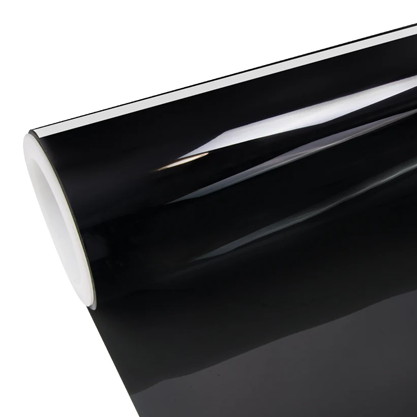
The quality of PPF directly impacts its resistance to yellowing and UV damage. High-quality films are made from materials that are specifically engineered to resist discoloration, while low-quality PPFs may lack these protective features, leading to yellowing over time. The best PPF brands use high-grade polyurethane and incorporate advanced UV inhibitors and stabilizers to ensure that the film stays clear and durable for years.
When choosing PPF, it’s essential to research the brand and opt for those known for their long-lasting quality and UV resistance. Investing in a high-quality PPF will provide you with better protection against yellowing and ensure the longevity of both the film and your car’s paint.
The quality of the PPF is crucial for ensuring effective UV protection. Low-quality films may not have sufficient UV inhibitors, making them prone to yellowing and premature degradation. High-quality PPFs, on the other hand, are designed to block harmful UV rays and protect the vehicle’s paint from fading and oxidation.
When selecting PPF, always look for films that offer long-term UV protection, especially if you live in areas with intense sunlight. The more advanced the film’s UV protection technology, the better it will safeguard both your car’s paint and the film itself from sun damage.
Maintaining your PPF is essential for preventing yellowing and ensuring its continued protection. Regular cleaning helps remove dirt, debris, and contaminants that can accumulate on the surface and potentially damage the film over time. Use a mild, pH-neutral car wash soap and a microfiber cloth to clean the film without causing scratches.
It’s also important to avoid harsh chemicals, which can break down the protective properties of the PPF. When drying the car, always use a soft microfiber towel to prevent any damage to the surface of the film.
To further enhance the durability and longevity of PPF, consider applying a protective coating over the film. Some ceramic coatings are designed to be applied directly over PPF, providing an additional layer of protection against UV rays and contaminants. This coating can help the PPF last even longer and maintain its clarity, preventing yellowing and preserving the protective qualities of the film.
High-quality PPF can last for 5 to 10 years or longer without significant yellowing, provided it is well-maintained and exposed to minimal UV damage. Lower-quality films may show signs of yellowing sooner.
While yellowing on high-quality PPF is rare, it may occur over time due to improper care or environmental factors. In some cases, professional cleaning or polishing can help reduce yellowing. However, the best way to avoid yellowing is by using high-quality PPF with UV inhibitors.
No, PPF does not affect the gloss or finish of the car’s paint. In fact, high-quality PPF enhances the paint's gloss, making it appear shinier and well-preserved while maintaining the vehicle’s original look.
Applying a ceramic coating over PPF is an excellent way to enhance its UV protection and add an extra layer of hydrophobic protection. This combination provides superior defense against contaminants, UV rays, and water spots, ensuring the longevity of both the PPF and your vehicle’s paint.
In conclusion, Paint Protection Film (PPF) provides excellent protection against yellowing and UV damage, especially when using high-quality films that incorporate advanced UV stabilizers and self-healing technology. PPF not only prevents yellowing but also helps maintain the original appearance of your vehicle’s paint, keeping it vibrant and protected for many years. By selecting a high-quality PPF, maintaining it properly, and possibly adding a ceramic coating for extra protection, you can ensure that your car’s paint remains in excellent condition while benefiting from the comprehensive protection that PPF offers.


