

Views: 0 Author: Site Editor Publish Time: 2026-03-16 Origin: Site


Paint Protection Film (PPF) is an excellent solution for protecting your vehicle’s paint from chips, scratches, and other environmental contaminants. However, once PPF is applied to your car, many car owners wonder whether it's safe to wash their vehicle right away, and if there are specific care instructions they need to follow. This article will answer these questions and provide helpful tips for properly maintaining and washing your car after installing Paint Protection Film.
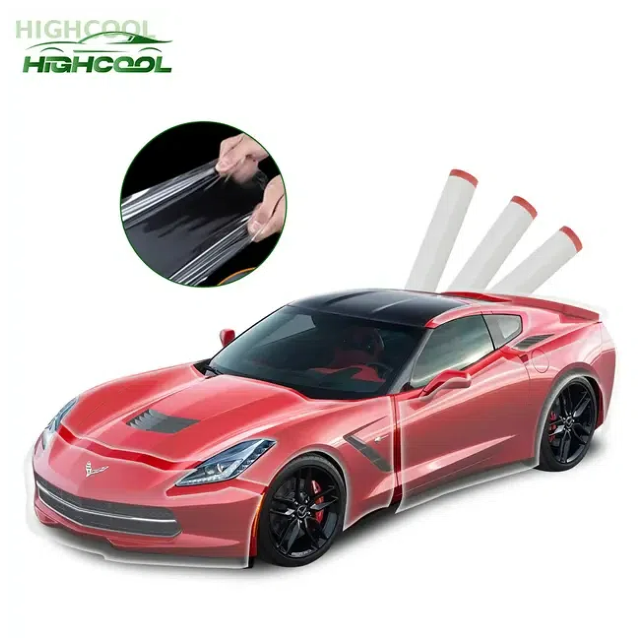
Paint Protection Film (PPF), also known as clear bra, is a transparent, self-healing urethane film that is applied to the surface of a vehicle to protect its paint. PPF acts as a barrier against various contaminants, such as road debris, bird droppings, tree sap, and harsh UV rays, that can damage the car’s finish. It is particularly effective in preserving the vehicle’s exterior by preventing physical damage like scratches and chips from minor impacts.
PPF is designed to be nearly invisible, ensuring that the car’s original paint and appearance remain intact. The film is often used on high-impact areas such as the hood, front bumper, side mirrors, and door edges, but it can also be applied to the entire vehicle for comprehensive protection.
The primary benefit of PPF is its ability to safeguard the car’s paint against everyday wear and tear. The film’s self-healing properties allow it to recover from minor scratches and swirl marks when exposed to heat. This means that your vehicle’s paint remains protected and visually appealing for a long time. Additionally, PPF can significantly increase your car's resale value by maintaining its original finish and preventing the need for costly paint repairs.
One of the most common questions car owners have after installing PPF is how long they should wait before washing their vehicle. While PPF is designed to adhere quickly to the car’s surface, the film itself requires some time to fully cure and bond with the paint. It’s important to wait at least 48 hours before subjecting the film to any kind of wash.
During the first 48 hours after installation, the adhesive used to apply the PPF is still setting, and exposing it to water or pressure can interfere with this bonding process. Washing the car too soon could result in the film shifting or lifting, potentially causing damage.
Although waiting for 48 hours is a general guideline, some PPF manufacturers may recommend a longer curing time, especially if the vehicle was exposed to high humidity or cooler temperatures during installation. Always refer to the manufacturer's instructions for the specific curing time for your PPF brand. In most cases, waiting 3-5 days ensures that the film has fully adhered to the paint, preventing any risk of damage during the washing process.
When it comes to washing your car after installing PPF, hand washing is the safest method. Using a gentle hand wash will minimize the risk of damaging the film while allowing you to carefully clean the surface. A hand wash with a microfiber cloth or mitt and mild car soap ensures that dirt and debris are removed without scratching or damaging the PPF.
In contrast, automatic car washes with brushes or abrasive cleaning methods should be avoided, especially within the first few weeks after installation. The rough bristles of the brushes can cause scratches on the PPF, compromising its protective layer. Additionally, automatic car washes use harsh chemicals and high-pressure water that can potentially damage the adhesive bond or cause water spots on the surface.
To properly maintain your PPF and ensure it remains in excellent condition, use the right tools and products. Here are some recommended items for washing your car:
Microfiber towels or mitts: These are soft, non-abrasive, and ideal for gently washing your car without scratching the PPF.
pH-neutral car shampoo: Always use a pH-neutral shampoo designed for automotive paint. Harsh chemicals can degrade the film and affect its protective qualities.
Bucket with grit guard: A grit guard will help trap dirt and debris at the bottom of the bucket, preventing it from coming into contact with the surface of the car during washing.
When washing a car with PPF, it’s crucial to adopt gentle cleaning techniques to avoid scratching or damaging the film. Here are a few tips for effective, safe cleaning:
Rinse First: Start by rinsing the car thoroughly with water to remove any loose dirt or debris. This will prevent the dirt from scratching the surface when you begin washing.
Use Two-Bucket Method: To minimize the risk of contamination, use the two-bucket method—one for soapy water and the other for rinsing your mitt. This prevents dirt from being transferred back onto the car’s surface.
Avoid Pressure Washers: Although pressure washers can be effective, the high pressure may harm the PPF, especially in areas where the film is more vulnerable (like edges). Use low pressure for rinsing, or better yet, stick to a gentle hand wash.
When choosing car wash soap for your vehicle, ensure it’s pH-neutral and free of waxes or harsh detergents that could damage the PPF. Some excellent car shampoos for PPF include:
Adam’s Polishes Car Shampoo: Known for its pH-balanced formula, this soap is gentle on PPF while effectively cleaning the vehicle.
Meguiar’s Gold Class Car Wash: This soap offers a rich lather and is safe for use on all vehicle surfaces, including PPF.
Chemical Guys Mr. Pink Super Suds Shampoo: This soap is a favorite for its versatility and gentle formulation that won’t harm PPF or other finishes.
While there is no strict rule on how often you should wash your car, it’s recommended to clean your vehicle regularly—typically every two weeks—to maintain the PPF’s protective properties. Regular washing helps to prevent dirt, water spots, bird droppings, and other contaminants from building up and causing damage to the film.
If you live in an area with frequent rain, snow, or exposure to road salts, more frequent washes may be necessary to keep your PPF in optimal condition.
Maintaining cleanliness is vital for the longevity of your PPF. While the film itself is designed to resist contaminants, neglecting regular cleaning can result in the buildup of substances that might degrade the film over time. Furthermore, leaving contaminants like tree sap or bird droppings on the surface for too long can damage both the film and the underlying paint.
The most significant risk of washing your car incorrectly after installing PPF is scratching or damaging the film. Using rough towels, brushes, or automatic washes can cause scratches, leaving visible marks on the PPF. Over time, these imperfections can accumulate, reducing the effectiveness of the film’s protective properties.
Using harsh chemicals, such as acidic or abrasive cleaners, can deteriorate the surface of the PPF. Always ensure that the products you use are safe for PPF, particularly when it comes to removing contaminants like tar or tree sap. Avoid using degreasers or solvents that may strip the film of its protective properties.
It’s generally not recommended to use a pressure washer on your car with PPF, especially at high pressure. While low-pressure rinsing is fine, pressure washers can potentially damage the film or cause it to peel at the edges.
Yes, you can wax your car after installing PPF, but it’s not necessary. PPF already offers excellent protection, and waxing may not significantly enhance its performance. If you choose to wax, use a non-abrasive wax that is safe for use on PPF.
Yes, using a car dryer (such as a forced air dryer) is a great way to dry your car without causing scratches or water spots. Avoid using towels or chamois that may have dirt or debris on them, as this could scratch the film.
No, washing your car with PPF won’t remove its protective properties, as long as you use the right cleaning techniques and gentle products. Regular washing is essential for maintaining the effectiveness of the film.
In conclusion, washing your car after installing Paint Protection Film is perfectly safe, as long as you follow the correct cleaning methods. By waiting the appropriate amount of time before washing, using the right tools, and adopting gentle cleaning techniques, you can maintain the integrity and appearance of your PPF for years. Regular washing ensures that your PPF remains effective in protecting your car’s paint, preserving both its aesthetic appeal and resale value.


