

Views: 0 Author: Site Editor Publish Time: 2026-03-02 Origin: Site


Many car owners are considering the combination of Paint Protection Film (PPF) and ceramic coating to provide their vehicles with the ultimate level of protection. While both of these treatments offer impressive benefits, a common question arises: Can PPF coating be applied over ceramic coating? In this article, we will explore the compatibility between PPF and ceramic coating, the benefits of using them together, and the ideal installation process to maximize their effectiveness. We will also cover maintenance and common FAQs about this combination.
Paint Protection Film (PPF) is a transparent, durable layer of thermoplastic urethane film applied to the painted surfaces of a car. The primary function of PPF is to protect the car’s paint from chips, scratches, and other physical damage caused by road debris, stones, or even bug splatters. PPF is known for its self-healing properties, which means minor scratches and swirl marks can be repaired with heat. The film provides a smooth and virtually invisible shield, preserving the vehicle’s original appearance.
Ceramic coating is a liquid polymer applied to a vehicle's paint, creating a hydrophobic surface that repels water, dirt, and other contaminants. The coating bonds to the paint and forms a protective layer that offers long-lasting protection against environmental damage, such as UV rays, bird droppings, tree sap, and road salts. Unlike PPF, ceramic coatings do not provide physical protection from chips or scratches, but they significantly enhance the car's resistance to staining, fading, and minor contaminants. Ceramic coatings also add a glossy finish to the vehicle, giving it a "wet-look" shine.
Yes, PPF can be applied over a ceramic coating. The two products can work together seamlessly to provide enhanced protection for your vehicle. While ceramic coating offers chemical protection against contaminants and enhances the hydrophobic properties of the car’s paint, PPF provides physical protection from road debris, scratches, and chips. The combination of both coatings ensures that your car is fully protected from a wide range of environmental hazards.
PPF can adhere well to a ceramic-coated surface, as long as the ceramic coating has been fully cured. The curing process allows the coating to bond properly to the paint, which in turn helps the PPF bond to the ceramic layer. The result is a combination of chemical and physical protection that can greatly extend the lifespan of your vehicle’s paint.
Applying PPF over ceramic coating provides a layered approach to car protection, offering several advantages:
Increased Protection: While ceramic coatings offer protection against contaminants and UV rays, they do not protect against physical damage like scratches and rock chips. PPF acts as a shield against these physical hazards, protecting the ceramic coating underneath and the vehicle's paint.
Enhanced Durability: The combination of ceramic coating’s chemical protection and PPF’s physical barrier offers long-lasting protection. This dual-layer system ensures that the car is well-guarded from environmental damage, prolonging the lifespan of the paint.
Self-Healing Properties: Many PPFs come with self-healing technology that helps to eliminate minor scratches or swirl marks that may occur over time, keeping the car looking new.
The primary benefit of combining PPF with ceramic coating is the added protection against both physical and chemical damage. Ceramic coatings are effective at protecting your car from water spots, bird droppings, and UV damage, but they do not prevent physical impacts such as scratches or rock chips. PPF provides a strong and durable barrier that protects against these physical elements, without altering the car's appearance.
When combined, these two treatments offer a comprehensive defense system that keeps your vehicle’s paint looking pristine for years to come. The ceramic coating ensures that contaminants slide off easily, while the PPF absorbs impacts and prevents damage from debris.
Both PPF and ceramic coating offer long-lasting benefits, but their combined use significantly extends the life of the car’s paint. PPF is designed to last up to 10 years or more, depending on the quality of the film and the maintenance it receives. Ceramic coatings typically last 2-5 years, depending on the product and the conditions the vehicle is exposed to.
Together, these two coatings create a durable and low-maintenance protection system. Ceramic coating enhances the hydrophobic properties of PPF, making it easier to clean the vehicle and maintain its glossy appearance. As a result, car owners benefit from a combination of long-term protection and ease of maintenance.
One of the concerns when applying PPF over a ceramic coating is whether it will affect the hydrophobic properties of the coating. Fortunately, PPF does not interfere with the hydrophobic qualities of the ceramic coating. The ceramic layer remains effective, helping water, dirt, and other contaminants slide off the surface of the car.
In fact, PPF often enhances the hydrophobic properties of ceramic coatings by providing an additional protective layer that resists water, dirt, and other contaminants more efficiently. The smooth surface of the PPF allows the ceramic coating to perform at its best.
No, PPF will not significantly alter the appearance of the ceramic coating. Since PPF is transparent, it allows the underlying ceramic-coated surface to shine through without any noticeable change in appearance. However, the combination of the two layers can provide a deeper, richer gloss due to the reflective properties of both the ceramic coating and the PPF film. The vehicle may look more polished and protected, but the ceramic coating's visual effect remains intact.
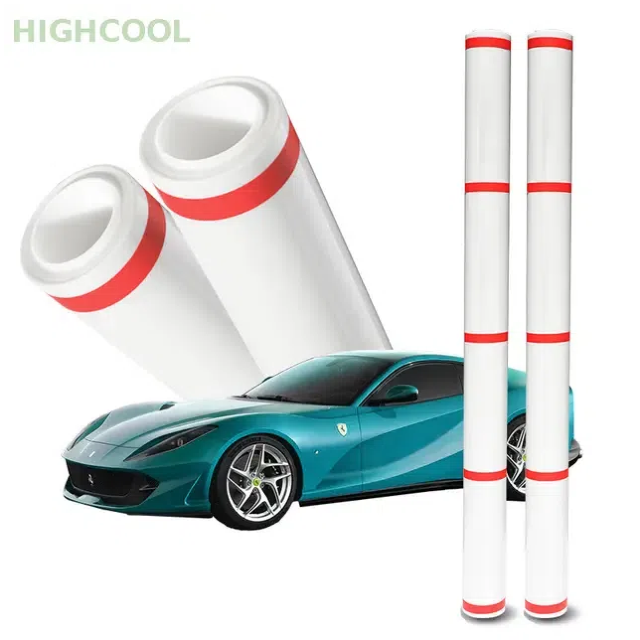
The ideal sequence for applying these two coatings is to first apply the ceramic coating and then install the PPF. Ceramic coating should be applied directly to the paint to allow it to bond with the surface. After the ceramic coating has cured and fully bonded to the paint, PPF can then be applied over it to provide the physical protection layer.
Applying ceramic coating first ensures that the coating bonds properly to the paint without interference from the PPF. Once the ceramic coating is cured, the PPF will adhere securely to the surface, enhancing the car’s overall protection.
If PPF is applied first, it may be difficult for the ceramic coating to bond properly with the paint because the PPF creates a barrier between the paint and the coating. This could result in poor adhesion and a less effective ceramic coating. Therefore, it is recommended to apply the ceramic coating before the PPF to ensure the best results.
Proper maintenance is essential to ensure the longevity of both PPF and ceramic coating. While both products are designed to make the car easier to clean, regular washing is still necessary to prevent dirt and contaminants from accumulating on the surface.
For Ceramic Coating: Use a pH-neutral shampoo to clean the surface, as harsh chemicals can degrade the coating. Additionally, using a microfiber towel for drying will help prevent scratches on the surface.
For PPF: Regular washing with non-abrasive soap and water will keep the PPF in top condition. Avoid using automatic car washes with brushes, as they may cause scratches on the PPF film.
To avoid damaging both the PPF and ceramic coating during maintenance, it is important to use the right tools and techniques. Always use soft microfiber cloths and non-abrasive cleaning products. Additionally, consider using a waterless wash or a quick detailer to maintain the vehicle between regular washes.
Yes, PPF can be applied to a ceramic-coated car, as long as the ceramic coating is fully cured. The ceramic coating does not interfere with the bonding of the PPF film.
Ceramic coating can improve the longevity of PPF by enhancing the hydrophobic properties of the surface, making it easier to clean and maintain. However, ceramic coating does not affect the physical protection provided by PPF.
No, PPF does not affect the effectiveness of ceramic coating. In fact, the combination of both provides enhanced protection, with PPF guarding against physical damage and the ceramic coating providing chemical resistance.
Yes, both PPF and ceramic coating can be reapplied. While PPF may need to be replaced after several years if it becomes damaged or worn, the ceramic coating can be reapplied to maintain its protective properties.
In conclusion, applying Paint Protection Film (PPF) over a ceramic coating is a highly effective and beneficial combination for car owners seeking comprehensive protection. The ceramic coating provides chemical protection against contaminants, UV rays, and water, while the PPF adds a robust physical barrier against scratches, chips, and road debris. Together, they offer an enhanced level of defense, ensuring that your vehicle’s paint remains pristine for years. By following the correct installation sequence and maintaining both layers properly, you can maximize the longevity and performance of your car's protective coatings. Whether you're looking to preserve the appearance of your vehicle or maintain its value, combining PPF and ceramic coating provides the ultimate shield against a variety of environmental threats.


