

Views: 0 Author: Site Editor Publish Time: 2026-07-02 Origin: Site


For automotive restyling shops, material choice remains a critical business decision. It is not merely an aesthetic one. The gap between premium and subpar options directly impacts daily labor efficiency. It heavily influences profit margins and overall shop reputation. Demand for custom finishes grows exponentially every year. Shops constantly find themselves flooded by countless new material options. Evaluating a product properly requires looking far past the glossy color swatch. You must actively understand underlying adhesive chemistry. You must recognize advanced manufacturing processes. Warranty backing holds immense operational importance too. Selecting inferior materials severely undermines your talented team. This guide breaks down how to evaluate materials accurately. You will learn to select the right car wrap film for your facility. We base this evaluation on practical installation realities. We focus strongly on material performance and long-term supplier reliability. You will discover exactly what technical dimensions matter most to your installation crew.
Many shop owners focus intensely on material costs alone. They often overlook the realities of installation efficiency. Saving a small amount on a cheaper roll often backfires immediately. Installers struggle constantly against poor conformability. They fight aggressive initial tack during panel positioning. This adds hours of unnecessary labor time to standard installations. The extra labor cost far exceeds any initial material savings. You must evaluate the holistic cost of every installation.
Comebacks destroy your daily profitability completely. Warranty re-wraps happen for several frustrating reasons. Adhesives fail around complex bumper curves. Materials shrink back aggressively from door edges. Bubbles form spontaneously weeks after delivery. A single comeback consumes brand new material. It also steals a profitable bay space from a paying customer. You lose money twice on the exact same vehicle. Poor materials increase these warranty failures dramatically. Protect your shop reputation fiercely. Negative reviews spread fast among car enthusiasts.
Client alignment requires strategic material choices. Not every customer demands ultra-premium finishes. Some want temporary commercial fleet branding. Others desire flawless, paint-like luxury finishes. Tiered material options solve this dilemma perfectly. You can stock reliable cast options for standard jobs. You can introduce premium high-gloss options for high-end clients. This strategy captures distinct market segments effectively. You satisfy the budget-conscious consumer. You also thrill the exotic car owner seamlessly.
Cast materials serve as the industry gold standard. Manufacturers produce cast vinyl by pouring liquid resin carefully. This manufacturing process yields a highly stable product. The material possesses virtually zero inherent memory. It rests naturally without shrinking back. Installers stretch it confidently into deep recesses. It conforms beautifully over sharp bumper contours. Lifespans generally reach five to seven years outdoors. Commercial fleet vehicles rely heavily on cast options.
Polymeric calendered materials offer a distinctly different value proposition. Manufacturers squeeze solid dough through massive rollers. This extrusion creates the calendered product efficiently. It costs significantly less to produce. The material feels noticeably thicker in hand. It performs excellently on large flat panels. Box trucks and moderate vehicle curves handle it well. However, calendered materials remember their original flat shape. They shrink aggressively if stretched too far. Heat accelerates this specific shrinking process.
PET options disrupt the high-end market completely. Traditional materials exhibit slight surface textures always. Industry professionals call this the "orange peel" effect. PET materials eliminate this visual flaw entirely. They deliver ultra-smooth, mirror-like reflections. Clients seeking a highly realistic color change car wrap demand this quality. However, installation techniques must adapt accordingly. PET lacks the extreme elasticity of cast PVC. Installers use more focused heat safely. They avoid cold stretching entirely to prevent tearing.
| Film Category | Primary Advantage | Main Limitation | Best Application |
|---|---|---|---|
| Cast Vinyl Films | Zero memory, high conformability | Higher overall material cost | Complex curves, deep recesses, full coverage |
| Polymeric Calendered | Thicker, more economical options | Inherent memory leads to shrinking | Flat surfaces, moderate panel curves |
| PET Films | Glass-like finish, zero orange peel | Requires specialized installation heat | Luxury, highly realistic paint replacement |
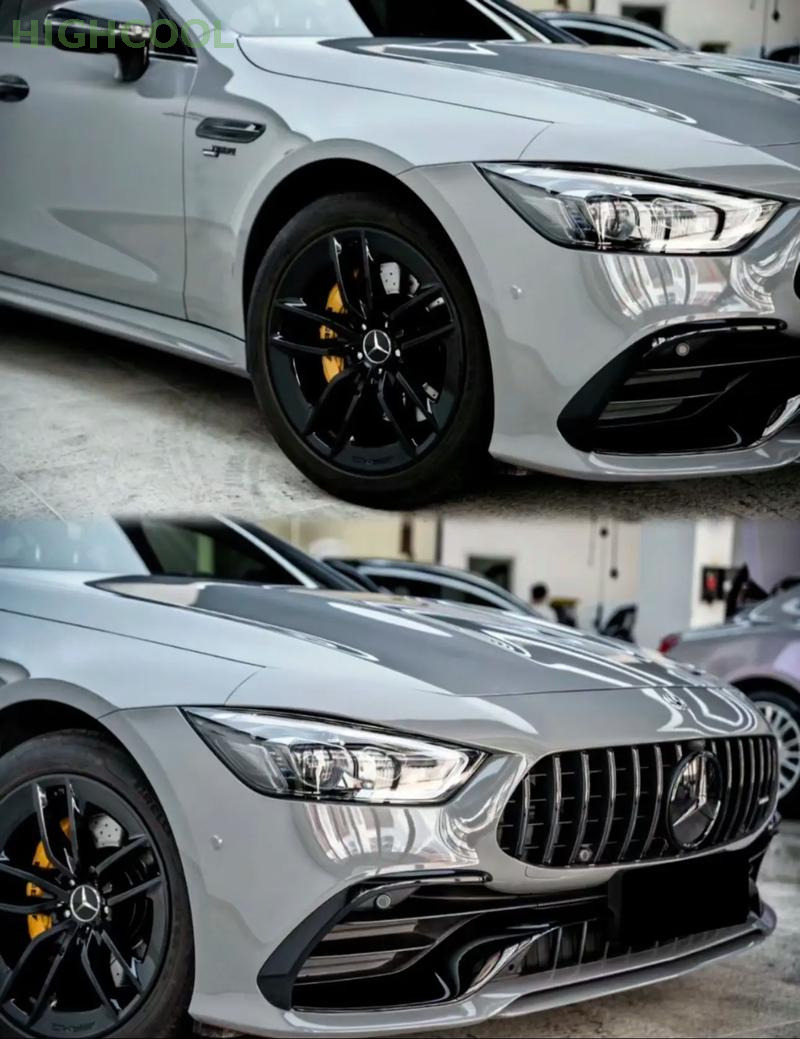
Adhesive technology dictates installation speed directly. Low initial tack formulas benefit solo installers immensely. The material slides easily across the vehicle surface. You can reposition panels multiple times without penalty. High initial tack formulas grab the surface immediately. They require a multi-person crew for safe handling. Aggressive tack increases the risk of visible glue lines. Modern self adhesive car wrap engineering solves this common issue. It balances low initial grab perfectly. It delivers high ultimate adhesion hours later.
Air-release channels determine your final finish quality. Manufacturers emboss microscopic patterns into the adhesive layer. These channels allow trapped air to escape easily. Squeegees push the air out seamlessly. Channel size matters tremendously during installation. Micro-channels remain invisible under high-gloss finishes. Oversized channels ruin the glass-like appearance completely. The grid pattern telegraphs straight through the surface. Conversely, undersized channels trap air pockets stubbornly. Blisters form rapidly under direct sunlight exposure.
Material thickness influences long-term surface durability. High-quality automotive wrap film typically measures between 3.0 and 4.5 mil. Thicker products resist rock chips better naturally. They handle minor daily abrasions successfully. However, excessive thickness reduces flexibility around edges. Tensile strength determines how far material stretches safely. Stretching weak materials causes severe discoloration instantly. Installers refer to this as whitening. The pigment density drops drastically as the material thins.
Release liners affect the final visual output significantly. Standard paper liners transfer microscopic textures continuously. They imprint rough patterns onto the adhesive layer. Plastic PET release liners avoid this problem entirely. They leave the adhesive perfectly flat always. This flat adhesive contributes directly to an ultra-gloss finish.
| Technical Dimension | Optimal Range / Feature | Impact on Installation |
|---|---|---|
| Thickness (Mil) | 3.0 to 4.5 mil | Balances scratch protection against corner flexibility. |
| Air-Release Type | Micro-channels | Prevents air blistering while keeping grids invisible. |
| Adhesive Tack | Low initial / Slideable | Allows easy repositioning by solo installers. |
Installers must understand material limitations clearly. Over-stretching vinyl car wrap film guarantees eventual product failure. You should never stretch materials beyond ten to fifteen percent. Pushing past this strict limit thins the physical structure. Color fading occurs immediately across the panel. Metallic flakes distort heavily and look entirely unnatural. The material loses its crucial protective qualities. It becomes brittle over time and tears easily.
Post-heating secures the installation permanently. You must heat stretched areas to kill physical memory. Temperatures typically range between 190°F and 220°F based on the brand. This process locks the material into its new shape definitively. Inferior materials possess highly inconsistent heat tolerances. They burn quickly under standard shop heat guns. Sometimes they fail to set despite proper heating. This inconsistency frustrates skilled installers immensely. It leads directly to edge lifting weeks later.
Adhesive residue presents severe long-term challenges. Aggressive adhesives bond too strongly over time. Excessive sun exposure bakes the glue directly onto clear coats. You face nightmare removal scenarios years later. Teams spend entire days scraping stubborn glue blindly. It damages OEM paint severely. Always prioritize materials designed expressly for clean removal.
Your material provider plays a crucial operational role. Selecting a highly reliable vehicle wrap supplier prevents daily headaches. Quality product means nothing without solid logistical support.
Your next step involves practical material testing. Purchase a small five-foot sample roll first. Apply it to a scrap bumper locally. Evaluate the initial tack and air-release yourself. Feel exactly how the material stretches under heat. Do not blindly commit to a full master roll immediately.
Selecting the ideal material requires balancing aesthetic appeal and technical workability perfectly. A beautiful finish attracts discerning clients initially. High workability keeps your installation crew highly productive daily. Profitable shops simplify their material options systematically over time. They standardize on two or three highly reliable brands. Installers develop deep familiarity manipulating these specific materials.
Predictable materials reduce daily installation errors significantly. Fewer errors translate directly to less wasted material. Quality results drive consistent customer referrals organically. Contact our team to establish a wholesale account today. Request comprehensive technical data sheets for our products. Order a sample roll directly to test our advanced air-release technology. We ensure your next challenging project succeeds perfectly.
A: Most high-quality cast color change films range from 3.0 to 4.0 mil. This provides enough structural integrity for protection while maintaining flexibility for complex curves.
A: Heavy residue is often caused by calendared films with aggressive solvent-based adhesives, excessive UV exposure degrading the film, or improper removal techniques (lack of heat).
A: Paper liners can transfer a subtle texture (orange peel) to the film's surface. PET liners are perfectly smooth, transferring that glass-like smoothness to the film, which is essential for high-gloss and metallic finishes.
A: It is difficult. Solo installers typically prefer low initial tack or slideable adhesive systems that allow the film to float on the surface until pressure is applied with a squeegee.
