

Views: 0 Author: Site Editor Publish Time: 2026-08-31 Origin: Site


Committing to a massive film order demands significant capital upfront. Receiving a bad batch lacking consistent self-healing properties severely ruins shop reputation. It also heavily inflates your daily labor costs through constant redos. You must cut through the industry marketing hype. "Self-healing" exists on a broad spectrum today. Unfortunately, ambitious supplier claims frequently outpace real-world performance on the shop floor. Relying on basic brochures often leads to costly surprises during installation. Protecting your brand requires strict diligence at every procurement stage.
We designed this comprehensive guide as an objective, evidence-based framework. You will learn exactly how to vet manufacturers properly before signing a contract. We show you how to rigorously stress-test samples in your own facility. Ultimately, you will discover how to secure a highly reliable supply chain for your detailing business.
Material Science Over Marketing: High-end self-healing relies on the elastomeric memory of premium aliphatic TPU topcoats, not just the base film.
Standardized Testing is Non-Negotiable: Reliable evaluation requires controlled wire-brush and temperature-recovery tests to establish a baseline before bulk purchasing.
Understand the Boundaries: Trustworthy suppliers will clearly define what their film *cannot* heal (e.g., topcoat penetration, deep gouges).
Supplier Consistency: A successful PPF bulk order hinges on roll-to-roll consistency and strict factory QC, not just a single "golden sample."
Purchasing substandard automotive clear film drains your bottom line quickly. Failing topcoats lead to frustrating redo labor. Your installers waste valuable hours removing defective material. You face escalating warranty claims from unhappy vehicle owners. Over time, you lose hard-earned customer trust in your local market.
Many buyers fall into the dangerous "golden sample" trap. A manufacturer sends one perfectly crafted sample roll. Their sales team hand-picks this roll to impress you. However, this single roll never guarantees identical quality across a multi-pallet delivery. Factory inconsistencies often appear later during mass production runs. You might discover erratic adhesive lines or cloudy topcoats weeks into your installation schedule.
A successful bulk procurement demands highly predictable profit margins. You need zero yellowing complaints from your clients. You also require consistent tack levels across every single roll. Installers rely heavily on predictable material grab. When adhesive tack varies between rolls, installation times double. Defining these success criteria early prevents disastrous bulk purchases.
Evaluating TPU PPF quality starts by analyzing core materials thoroughly. Cheap TPH or PVC films degrade rapidly outdoors. They contain plasticizers leaking out under intense sunlight. True aliphatic TPU resists UV degradation effectively. It remains incredibly flexible over many years of outdoor exposure.
How does the self-healing mechanism actually work? The magic lies entirely in the topcoat layer. Elastomeric polymers possess a unique shape-memory capability. When minor scratches disturb the surface, they displace these polymers. Heat application forces these rearranged molecules back into their original smooth state. We see two main topcoat variations in today's market.
Instant-healing topcoats: These recover rapidly at ambient room temperatures. They save immense time for installers during the final wipedown. However, they can sometimes feel slightly softer during aggressive squeegee strokes.
Heat-activated topcoats: These require a heat gun or hot water application. They typically offer higher chemical resistance against bird droppings and tree sap. Installers must apply post-installation heat deliberately to remove minor shop scratches.
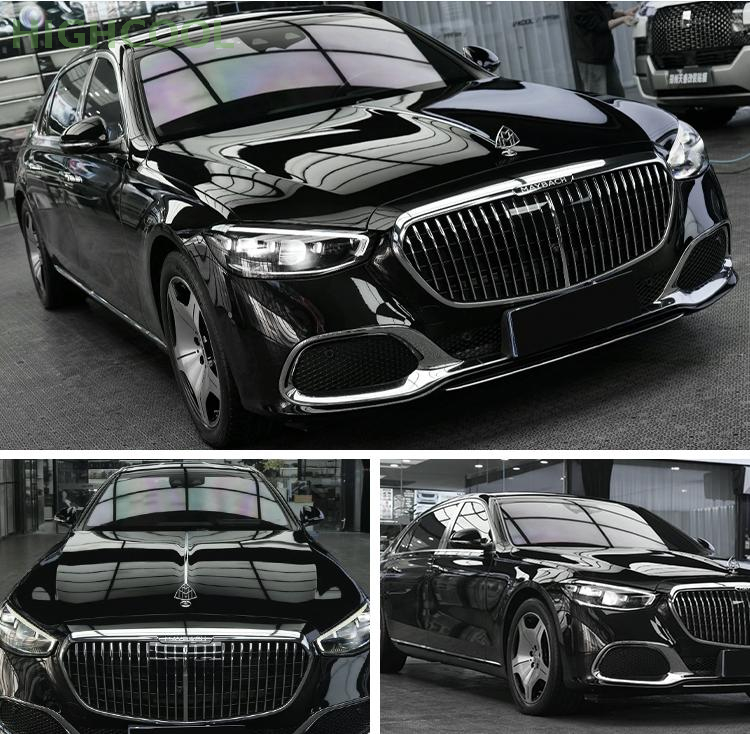
Never blindly trust a manufacturer's specification sheet. You must stress-test self-healing paint protection film in your own facility. Buyers need a highly replicable testing framework. Implement these three controlled methods on every sample roll you receive.
The Wire Brush Test: Standardize your testing pressure and brush grit. Use a basic brass wire brush. Gently brush the film surface ten times in one direction. This simulates aggressive wash-marring and typical swirl marks perfectly. Observe how the topcoat reacts immediately after the scratching phase.
Thermal Recovery Benchmarks: Measure the exact temperature required for full visual recovery. Use a digital infrared thermometer. Track the recovery time in seconds. Consistent healing speeds indicate highly stable chemical formulations. If one section heals in three seconds and another takes twenty, reject the batch.
Stretching and Tack Tests: Stretch the material 20 to 30 percent beyond its resting state. Wrap it tightly around complex testing curves or old car hoods. Watch closely for topcoat cracking. Industry professionals call this defect "crazing". Ensure the adhesive tack remains completely consistent under high tension without silvering.
Managing client expectations builds immense shop credibility. You must avoid adopting "bulletproof" marketing language in your sales pitch. Technology always has physical limitations. Understanding these strict boundaries helps you handle customer complaints confidently.
The clear elastomeric topcoat usually measures around 0.5 mil in thickness. Once a sharp scratch breaches this delicate top layer, it hits the core TPU structure. At this depth, the film will not heal. The elastomeric memory exists only in the topcoat. Deep gouges require complete panel replacement.
True transparency prevents angry customer returns. Clarify the vital difference between impact and abrasion to your clients. Healing topcoats easily mitigate daily micro-abrasions. They erase wash swirls and light key scratches perfectly. However, they do not magically repair heavy rock chip dents. They cannot fix structural tearing from highway collisions. Educate your installation team to communicate these exact physical boundaries.
Product quality only solves half the procurement equation. Supplier reliability matters just as much for your business survival. Transitioning to a new paint protection film supplier involves significant operational risks. You must evaluate their factory QC checklists rigorously.
Ask the manufacturer direct, difficult questions. Do they use advanced optical defect scanners during the extrusion process? What is their exact tolerance for gel spots? Small visual defects completely ruin large hood installations. Evaluate their factory scalability carefully. Can they maintain strict quality control during peak season volume spikes?
Finally, analyze their warranty backing and compliance documents. A transparent claims process remains absolutely non-negotiable. Check if they cover expensive re-installation labor. Many cheap suppliers merely offer raw material replacement, leaving you to pay the installer.
Evaluation Area | Key Question to Ask | Ideal Manufacturer Response |
|---|---|---|
Extrusion QC | Do you utilize optical defect scanners? | Yes, we scan 100% of rolls for gel spots and mapping defects. |
Adhesive Origin | Where do you source your base adhesive? | We use certified Ashland or equivalent premium pressure-sensitive adhesives. |
Warranty Terms | Does the warranty cover shop labor? | Yes, approved defect claims include a predetermined labor reimbursement rate. |
Scalability | What is your peak season lead time? | We maintain buffer stock and guarantee 14-day shipping year-round. |
Balancing aggressive pricing against documented performance requires strong logic. Never jump straight into a massive PPF bulk order based solely on a cheap quote. We highly recommend adopting a phased rollout approach. This mitigates your financial exposure significantly.
First, request detailed technical specification sheets from three different brands. Second, order a standard sample roll for internal shop testing. Next, place a smaller pilot order to check consistency across multiple boxes. Finally, transition to a full annual contract once they pass your pilot test.
Use this quick checklist when requesting documentation from shortlisted candidates:
Technical Data Sheets (TDS) detailing exact topcoat thickness and elongation limits.
Independent SGS or similar third-party weathering testing reports.
Clear warranty terms outlining exact claim submission procedures.
Documentation verifying the raw TPU resin brand (e.g., Lubrizol, Huntsman).
Executing a successful procurement strategy requires skeptical, objective testing. You must verify both the material quality and the manufacturer's long-term operational consistency. Marketing hype alone cannot protect a customer's vehicle paint. Rely exclusively on standardized scratch benchmarks, heat recovery timing, and physical elongation limits.
Stop guessing on your next container shipment. We encourage smart buyers to request a data-backed sample roll today. Set up your own testing station. Contact the technical sales team to discuss your specific operational requirements. Verify their OEM standards, test the topcoat thoroughly, and secure a genuinely reliable supply line for your business.
A: High-quality aliphatic films typically last between five and ten years. Their lifespan depends heavily on daily UV exposure and proper maintenance. Regular washing and applying ceramic boosters extend longevity significantly. The underlying TPU quality dictates how well the material resists yellowing over time.
A: It depends entirely on the specific topcoat chemistry. Instant-heal films recover rapidly at normal room temperature, around 72°F (22°C). Heat-activated topcoats require external thermal energy. Installers usually use a heat gun or pour warm water reaching 120°F (49°C) or higher to erase surface scratches.
A: Yes, reputable manufacturers often accommodate custom requests. They provide white-labeling options for your specific brand. You can request custom printed cores and tailored packaging. Many factories also offer custom slitting widths to match your specific shop plotters and daily installation preferences.
A: You must conduct physical stress tests on sample rolls. Perform standardized abrasion tests using a brass wire brush. Measure elongation limits by stretching the material across curved panels. Check solvent resistance against harsh chemicals. Always review third-party lab reports alongside your own internal bench testing results.


