

Views: 0 Author: Site Editor Publish Time: 2026-08-26 Origin: Site


Are you wondering if the premium price tag of ceramic window film actually makes sense for your vehicle or property? Many skeptical buyers hesitate, questioning if it truly performs better than cheaper traditional options. Hot climates and intense sun relentlessly drive up interior temperatures. This daily sun exposure causes severe damage to upholstery, dashboard materials, and human skin, despite the use of standard dark tints. Simply darkening your windows no longer solves the underlying heat issue.
Nano-ceramic technology acts as a functional upgrade over mere aesthetic dyes. It offers an evidence-based approach to cooling rather than just changing the appearance of your glass. We will explore the actual performance metrics behind this technology. You will discover exactly why this advanced molecular science outperforms older, dyed tinting methods on every functional level.
Consumers often equate window darkness with actual cabin cooling. Visible Light Transmission (VLT) measures exactly how much ambient light passes through automotive glass. Darker VLT numbers certainly look sleek and provide privacy. However, aesthetic darkness does not inherently stop solar heat from entering your vehicle. We must debunk this common misconception immediately to understand modern window solutions.
Solar energy consists of three completely distinct components. Visible Light makes up approximately 44% of total solar energy. Ultraviolet (UV) rays account for roughly 3% of the spectrum. Infrared (IR) radiation constitutes the remaining massive 53%. Infrared radiation serves as the primary invisible source of the intense heat you feel radiating inside a parked vehicle. Traditional dyed tints only filter visible light. They completely ignore the overwhelming heat generated by infrared energy.
To successfully combat this invisible heat, engineers embed microscopic ceramic nanoparticles into the actual film layers. These advanced compounds often include titanium nitride or highly specialized metal oxides. They are engineered to specifically target IR radiation. The nanoparticles act as microscopic mirrors and absorbers. They actively scatter and absorb these heat-causing wavelengths long before they penetrate your glass.
By disrupting IR energy at the molecular level, a lighter car tint film easily outperforms a limousine-dark dyed film in actual temperature reduction. True climate control relies entirely on blocking invisible infrared energy. It does not depend on aggressively dimming your visible light. You achieve a dramatically cooler cabin while maintaining clear, safe visibility during nighttime driving.
The sun relentlessly emits harmful ultraviolet radiation every single day, regardless of cloud cover. We must differentiate between UVA and UVB rays to understand the true threat. UVA rays feature longer wavelengths which penetrate deeply into solid materials and human skin. They cause premature cellular aging, severe fabric fading, and long-term chemical breakdown of interior plastics. UVB rays carry higher energy but possess shorter wavelengths. They cause immediate, painful sunburns and directly damage exposed cell DNA.
Standard automotive glass naturally blocks a majority of UVB rays. However, untreated factory glass lets harmful UVA rays pass through with almost zero resistance. A high-quality UV protection window film completely solves this structural vulnerability.
The embedded ceramic layers act as a dense molecular barrier against radiation. They consistently achieve over 99% UV rejection. This impressive blocking power operates completely independent of the film's shade or darkness level. Even optically clear ceramic films block these damaging wavelengths with absolute efficiency.
Think of this feature as a direct, long-term asset protection strategy. Constant UV bombardment causes dashboards to off-gas, warp, and crack. It accelerates leather fading and compromises seating stitching. More importantly, blocking UV dramatically lowers cumulative skin cancer risks for daily commuters. Medical studies frequently note higher instances of skin damage on the left side of frequent drivers. Stopping UVA penetration permanently protects both your long-term health and your vehicle's ultimate resale value.
Buyers face numerous confusing choices when upgrading their vehicle glass. Making the correct choice prevents frustrating reapplications later. We provide a direct, unbiased comparison below to help you shortlist the best option for your specific climate and daily driving habits.
If you live in extreme temperatures, we strongly recommend choosing nano ceramic window film. High-heat environments demand maximum cooling performance to reduce air conditioning loads. Ceramic technology provides this massive heat drop without sacrificing your crucial nighttime visibility.
Table: Window Tint Technology Comparison
| Feature Category | Standard Dyed Film | Carbon Infused Film | Nano-Ceramic Film |
|---|---|---|---|
| Primary Heat Rejection | Very Low (Absorbs heat) | Moderate (Reflects some IR) | Excellent (Highest TSER ratings) |
| UV Ray Blocking | Moderate (Degrades over time) | High (Consistent protection) | Up to 99.9% (Permanent barrier) |
| Optical Clarity | Good initially, distorts later | Susceptible to low-angle haze | Superior crystal-clear visibility |
| Signal Interference | None | None | None (Non-metallic construction) |
| Lifespan & Durability | 1 to 3 years | 5 to 7 years | 10+ years (Often lifetime) |
Many buyers understandably obsess over the advanced ceramic coating itself. However, we must shift our focus to the physical film foundation carrying those particles. The overall longevity of any tint installation depends heavily on its underlying structural base. If the base fails, the ceramic technology becomes entirely useless.
Polyethylene Terephthalate (PET) serves as this foundational polyester layer. It acts as the clear, highly flexible canvas holding the ceramic nanoparticles together. Standard budget films often use a surprisingly thin 1mil base layer. Premium protective options utilize a robust, structurally sound 2mil PET window film instead.
Why does this slight difference in thickness matter so much in actual practice? First, it directly impacts installer workability and final finish quality. A 2mil thickness provides the absolute ideal balance for professional application. It allows skilled technicians to heat-shrink the material perfectly. They can mold and conform the film to heavily curved back windshields without causing hard creases or stress fractures.
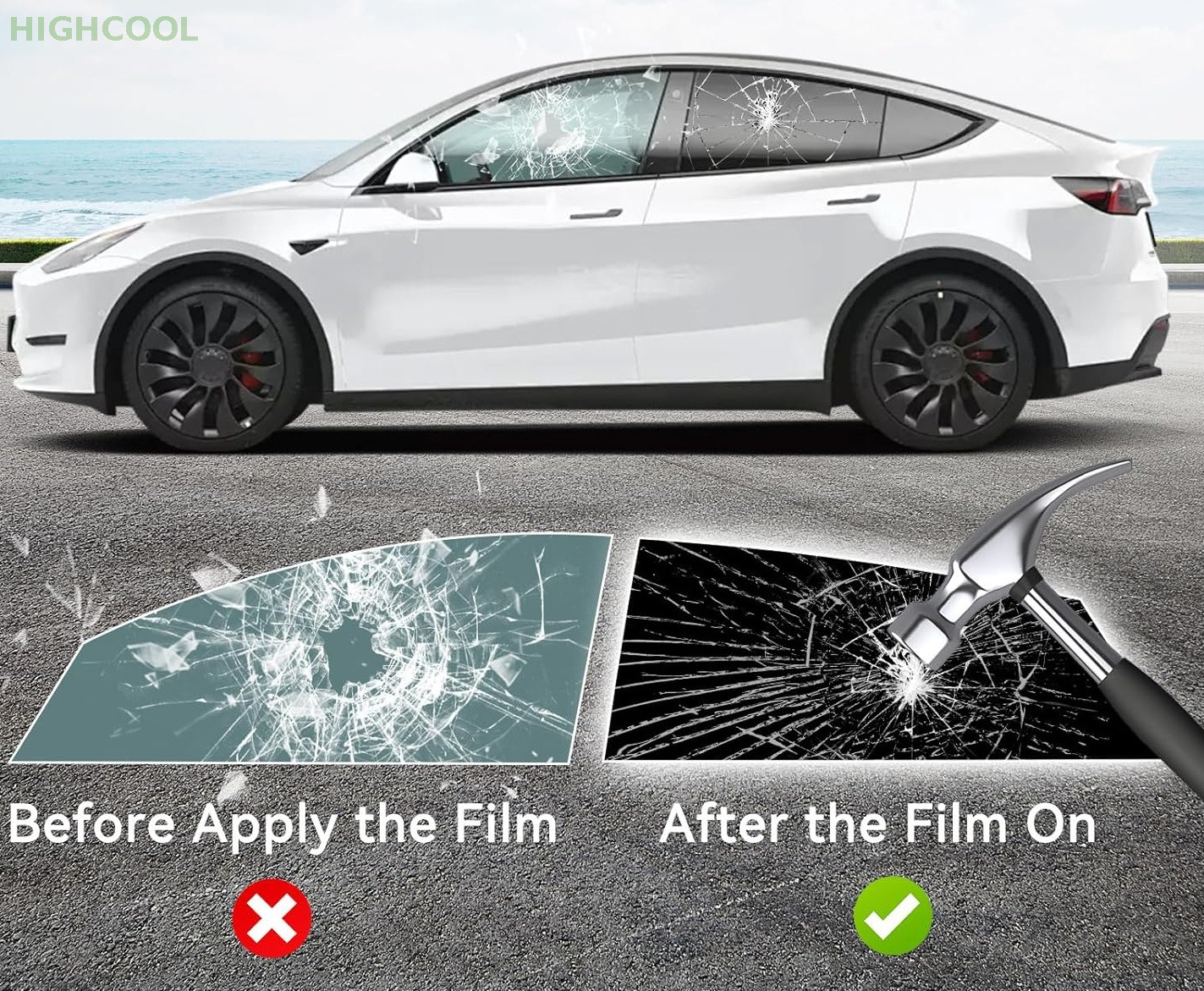
Second, it dramatically improves overall daily durability. Thicker PET layers offer enhanced structural scratch resistance against daily wear. They handle rolling windows up and down far better than flimsy alternatives. They also support stronger adhesive longevity. This structural integrity protects your costly investment against premature peeling, edge curling, or unsightly bubbling over time. Furthermore, thicker films naturally provide a slight shatter-resistant safety benefit. They help hold broken glass shards together safely during unexpected impacts.
The automotive tint industry unfortunately features aggressive marketing claims and misleading terminology. You must know exactly how to read a technical spec sheet accurately. This specific knowledge protects you from wasting money on exaggerated product promises. We need to evaluate products across specific, verifiable dimensions rather than catchy slogans.
Consider these highly critical evaluation metrics when shopping:
You must also watch out for obvious industry red flags. Beware of unverifiable promises like "100% total heat blocking." No transparent material defies the laws of thermodynamics entirely. Be highly skeptical of "lifetime warranties" containing hidden legal loopholes. Many cheap warranties conveniently exclude adhesive failure, peeling, or slight color shifting over time.
Take actionable next steps before purchasing any installation package. Advise installers to provide physical sample cards for visual inspection. Check the manufacturer’s official spec sheets online to verify their TSER claims. Finally, verify the installer's official factory accreditation to ensure a flawless, warranty-backed application process.
Nano-ceramic film represents a highly functional, data-backed automotive investment. It goes far beyond a simple cosmetic vehicle upgrade or privacy enhancement. By surgically targeting infrared energy and permanently blocking damaging UVA rays, it actively protects your long-term health and your vehicle's interior components. The upfront premium price pays dividends through reduced air conditioning usage and preserved upholstery value.
Remember to carefully balance your desired VLT choices with local legal limits. You no longer need illegal, limousine-dark windows to stay comfortably cool during summer months. Rely entirely on the advanced ceramic nanoparticle technology to handle the heavy heat rejection, rather than depending on the shade darkness.
Review specific product technical sheets thoroughly before making your final purchasing decision. Request a detailed, itemized quote from a reputable, climate-controlled shop. Contact a certified professional installer today to experience the proven, everyday benefits of true ceramic heat rejection.
A: Yes. Heat rejection is driven by the ceramic particles blocking infrared energy, not the dye blocking visible light. A virtually clear 70% VLT ceramic film will actively out-cool a traditional 5% dyed film. You gain superior climate control without sacrificing your nighttime visibility.
A: No. Older metallized tints caused signal blocking due to their metal flake construction. Ceramic film is non-metallic and completely non-conductive. This advanced molecular structure ensures zero electronic interference with your cell phone, GPS navigation, or RFID toll passes.
A: When you utilize high-grade materials and secure professional installation, it typically lasts ten or more years. Premium structural bases, like durable 2mil PET, prevent common degradation issues. A quality ceramic application will survive harsh sun without bubbling, peeling, or turning purple.


