


When protecting a vehicle’s paint, choosing the right film is crucial for long-term preservation and visual appeal. At Highcool, we specialize in high-quality paint protection films that combine durability with aesthetics, ensuring vehicles stay pristine under various driving conditions. Among the options available, TPU PPF and TPH PPF are two popular materials, each with distinct characteristics, costs, and applications. Understanding the differences helps vehicle owners and installers make an informed decision for both performance and value.
TPU, or thermoplastic polyurethane, is a high-performance polymer widely used in modern paint protection films. Renowned for its superior elasticity, impact resistance, and long-term durability, TPU forms a protective barrier that resists scratches, abrasions, and minor chemical exposure. Vehicles with TPU PPF maintain a glossy finish over years of use, and the material’s self-healing properties allow light scratches to disappear with heat or sunlight. Additionally, TPU offers excellent transparency, preventing yellowing and maintaining color fidelity, which is particularly important for luxury or custom-painted vehicles.
TPH, short for thermoplastic polyolefin, is a mid-range paint protection solution often positioned as a hybrid alternative between traditional PVC films and premium TPU. TPH films provide adequate scratch protection and are easier on budgets, making them a practical choice for everyday vehicles, fleet cars, or short-term protection needs. While TPH does not offer the same level of self-healing or extreme elasticity as TPU, it generally withstands normal driving conditions, UV exposure, and minor abrasions reasonably well. For many vehicle owners, TPH offers a balance between cost and protection, especially for vehicles that face moderate wear and tear.
One of the most important performance metrics in paint protection is how well the film stretches over complex curves and edges. TPU PPF typically exhibits higher elongation and flexibility, allowing installers to conform the material smoothly to intricate vehicle surfaces without compromising the film’s integrity. This makes TPU ideal for sports cars, motorcycles, or vehicles with sharp body lines. TPH, while offering decent flexibility, may be less forgiving in tight corners or complex contours, requiring more careful installation to avoid wrinkles or lifting edges.
TPU’s advantage shines in its ability to self-heal minor scratches and swirl marks over time. This feature is particularly valuable for show cars or vehicles that endure frequent urban driving, where incidental contact or debris can cause surface abrasions. TPH PPF provides scratch resistance adequate for daily driving, but deep scratches or harsh impacts may remain visible. While TPH can be treated with occasional maintenance and careful cleaning, it does not match TPU’s capacity to maintain a showroom-quality finish over extended periods.
Both TPU and TPH offer resistance to common environmental hazards such as UV radiation, rain, and road salts, but TPU generally maintains its clarity and strength longer under harsh conditions. TPU films are often tested to resist oxidation, discoloration, and edge lifting, making them suitable for vehicles exposed to intense sunlight or coastal environments. TPH can also perform well in moderate climates but may show signs of yellowing or reduced elasticity earlier if exposed to extreme weather consistently. Climate and exposure patterns should be key considerations when choosing between the two.
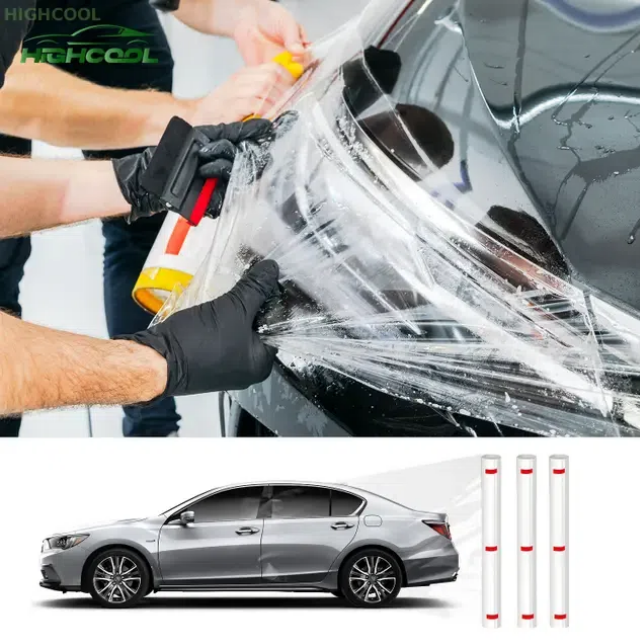
TPH is typically positioned at a lower price point, appealing to budget-conscious buyers or businesses managing multiple vehicles. TPU, on the other hand, commands a higher price due to its advanced properties and superior long-term performance. Considering return on investment, TPU may cost more upfront but often results in fewer replacement needs, sustained appearance, and higher resale value for premium vehicles. TPH may be more economical initially, but for high-end vehicles, the potential need for earlier replacement or additional maintenance can offset initial savings.
The availability of TPU and TPH varies by manufacturer and geographic location. Highcool supplies both materials through its network, ensuring professional-grade films are accessible across major markets. Certain brands specialize in TPU, while TPH is sometimes marketed as a cost-effective hybrid solution. Buyers should confirm that films are sourced from reputable suppliers, and check warranty terms and technical certifications to avoid substandard products.
Installation expertise directly impacts the effectiveness of both TPU and TPH films. TPU’s elasticity and conformability make it easier to achieve seamless installation on complex surfaces, though precise application is required to optimize its self-healing potential. TPH may require more careful handling to avoid stretching issues or bubbles, particularly on contoured panels or high-stress areas. Using professional installers ensures that the film adheres correctly, maintains protective qualities, and preserves vehicle aesthetics.
For luxury, high-performance, or collector cars, TPU PPF is often the best choice. Its superior self-healing, scratch resistance, and clarity preserve the vehicle’s aesthetics over years, making it an ideal investment for owners planning long-term retention or frequent detailing. TPU’s high optical clarity also complements exotic paint colors and intricate finishes, enhancing the visual appeal without compromising protection.
TPH offers a practical solution for fleet vehicles, budget-conscious owners, or short-term protection needs. While it may not match TPU’s high-end performance, it delivers reliable coverage against everyday scratches, UV damage, and light debris, making it suitable for commercial or cost-sensitive applications. For vehicles rotated frequently or with moderate usage, TPH can provide sufficient protection while reducing overall expenditure.
Vehicle exposure to environmental factors such as strong UV radiation, coastal salt air, or extreme temperatures should influence material selection. TPU typically withstands these conditions more effectively, maintaining clarity and elasticity, whereas TPH may require additional maintenance to prevent discoloration or premature aging. Vehicle owners in hot or high-UV regions often find TPU’s resilience particularly advantageous.
A common misconception is that TPH is inherently inferior. While TPH does not match TPU’s top-tier performance, it fulfills its design purpose for many practical applications. Assess the material based on intended usage rather than blanket assumptions about quality. For daily drivers or budget-conscious projects, TPH can perform satisfactorily with proper care.
When comparing films, request supporting documentation from sellers or manufacturers. Verify UV resistance tests, warranty coverage, and consider asking for cut samples to evaluate thickness, clarity, and flexibility. These steps help ensure that the chosen film aligns with protection goals, climate exposure, and expected vehicle use. Observing these best practices minimizes risks and ensures optimal performance.
TPU PPF offers premium protection with higher elasticity, self-healing, and durability, making it ideal for high-value vehicles, long-term ownership, or vehicles exposed to harsh conditions. TPH PPF provides a mid-range compromise, delivering sufficient protection for budget builds, fleets, or short-term applications while remaining cost-effective. At Highcool, we provide both TPU and TPH paint protection films, helping customers select the right solution based on vehicle value, expected lifespan, and environmental conditions. For more details or to explore our full range of premium paint protection films, contact us today.

