

Views: 0 Author: Site Editor Publish Time: 2026-08-15 Origin: Site


Purchasing film in bulk reduces your per-roll costs significantly. However, sourcing substandard material introduces catastrophic downstream risks into your daily operations. You face installation failures, high defect rates, ruined shop reputations, and costly warranty claims. For wrap shops, commercial fleet managers, and regional distributors, this decision goes far beyond comparing basic price sheets. It requires a stringent technical evaluation. You must rigorously assess both the material itself and the entire global supply chain backing it.
We aim to provide a clinical, technical, and business-focused framework. You will learn exactly how to evaluate potential suppliers effectively. We will show you how to verify material quality before committing to high-volume orders. You need predictable outcomes across thousands of square feet of vinyl. Every ruined roll eats directly into your profit margin. By following our structured evaluation framework, you can protect your business from costly errors. You will confidently navigate global procurement channels and secure the best materials.
Saving 15% on wholesale car wrap film is instantly negated if installation time increases by 20%. Poor conformability destroys operational efficiency. Installers spend extra hours fighting stiff materials. They use excessive heat to force the vinyl around complex curves. This stretches the film beyond safe limits. The upfront discount looks great on a spreadsheet. The reality on the shop floor tells a different story. Lost labor hours quickly erase any initial material savings.
Procurement teams must recognize several hidden financial drains. These drains occur when you prioritize price over proven quality.
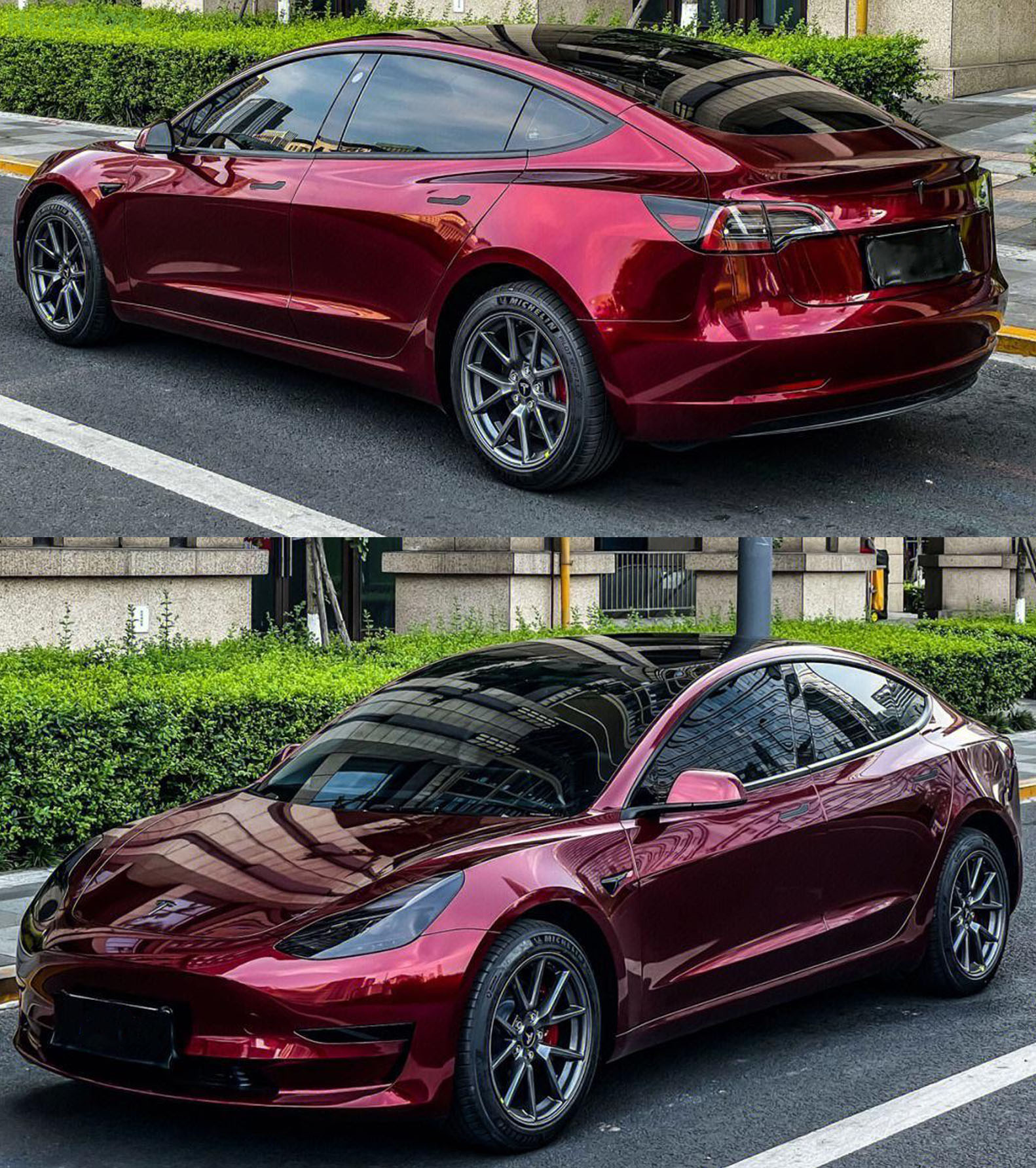
You must establish strict technical criteria during the sample phase. Installers should conduct these tests before you issue a massive purchase order. Testing a single yard of material prevents disaster across hundreds of rolls.
The adhesive formulation dictates installation speed and long-term durability. You must evaluate initial tack versus final adhesion. High initial tack grabs the surface aggressively. This prevents repositioning and frustrates installers. Low initial tack allows smooth sliding. The adhesive should only bite down fully after applying pressure and post-heating.
Assess the air-release channel efficiency. Proper micro-channels prevent trapped bubbles. They allow air to escape smoothly during squeegee strokes. Test for clean removal after simulated heat cycling. Bake the wrapped sample in the sun for several days. Remove it and check for heavy glue residue. A good automotive vinyl wrap leaves minimal residue.
Consider the implementation reality. Mismatched laminates (Lam) over printed films cause 70% of peeling issues. The laminate and the base film must share compatible expansion rates.
Understanding the manufacturing process helps you match the product to the job. You must align expected stretch limitations with your specific use case. Pay close attention to film thickness, usually measured in mils or microns. Thicker films resist scratches better. However, they struggle around deep recesses. Thinner films stretch beautifully but demand careful handling to avoid tearing.
Table 1: Cast vs. Calendered Vinyl Comparison
| Feature | Cast Vinyl | Calendered Vinyl |
|---|---|---|
| Manufacturing Process | Poured as a liquid, then baked flat. | Squeezed through heated rollers. |
| Conformability | Excellent. Wraps deep recesses easily. | Limited. Best for flat or slightly curved areas. |
| Durability | 5 to 10 years. Highly stable. | 1 to 3 years. Prone to shrinking over time. |
| Shrinkage Memory | Very low. Holds shape after post-heating. | High. Wants to return to its original flat state. |
Inspect the unrolled film under bright LED lights. Check the gloss levels thoroughly. High-gloss films should reflect light like wet paint. Look closely for "orange peel" texture. This bumpy texture ruins the illusion of a painted finish. Evaluate the pigment density. Stretch a dark color over a white surface. If the color washes out or turns transparent, the pigment density is too low.
Different operational models require entirely different sourcing strategies. You cannot buy one generic film for every type of client. Tailor your procurement to your specific business offerings.
Fleet managers require highly durable, print-receptive films. These vehicles endure harsh daily conditions. The vinyl faces industrial washing, road salt, and constant UV exposure. You need materials featuring aggressive adhesives. Calendered polymeric films often work perfectly for flat box trucks. They offer a great balance of cost and durability for short-term advertising.
Retail consumers demand perfection. Sourcing bulk color change film requires stringent quality control. You need high-end finishes like matte, satin, or metallic. Flawless batch-to-batch color consistency is mandatory. If a customer damages a fender six months later, the replacement film must match perfectly. Mismatched panels on a single vehicle will ruin your shop's reputation.
High-end exotics and intricate vehicles demand premium materials. These custom car wrap projects require highly conformable cast films. Installers must navigate intricate deep recesses. They wrap sharp body lines, complex mirrors, and aggressive air intakes. You cannot compromise on conformability here. Only top-tier cast materials handle these extreme physical demands.
You must audit the supplier behind the product. A great sample means nothing if the factory cannot scale production. Build a framework to assess their operational maturity. Ask them specific questions about their quality control procedures.
Ask if they use Automated Optical Inspection (AOI) on their production lines. AOI systems scan the moving web of vinyl for microscopic defects. This prevents bad rolls from ever leaving the factory. Do they guarantee color matching across different production runs? Request their delta-E variance tolerances. True professionals will share this data willingly.
Analyze their logistics capabilities carefully.
Scrutinize the fine print of every warranty document. A ten-year warranty often hides heavy restrictions. Are the claims prorated? Prorated warranties lose value every year. Do they cover shop labor, or just material replacement? Replacing bad film costs you labor hours. Verify vertical versus horizontal exposure ratings. Horizontal surfaces like roofs and hoods degrade twice as fast. Ensure the warranty respects your specific geographic climate zone. A reputable car wrap manufacturer clearly defines these limits.
We see companies commit the same "deadly sins" of wholesale sourcing repeatedly. We compiled these pitfalls based on installer feedback and global market data. Avoid these traps to protect your profit margins.
Never ignore the correlation between cheap plasticizers and rapid UV degradation. Budget manufacturers use low-grade chemical plasticizers to make the vinyl flexible. The sun bakes these chemicals out of the film quickly. The material becomes brittle, cracks, and fades. You save a few dollars upfront but lose thousands in rework.
Never source materials purely from the procurement desk. Buyers look at spreadsheets. Installers look at physical reality. You must have lead installers test the film's stretch threshold. They must evaluate its cutting properties. If the film frays when cut or fights the squeegee, reject it immediately. Installer veto power remains your best defense against bad inventory.
Buying in massive bulk creates logistical challenges. You need climate-controlled storage for vinyl pallets. Extreme heat or humidity destroys unrolled material. Adhesives expire quickly in bad conditions. Liners separate from the vinyl face. You could ruin an entire container of material before opening a single box. Rotate your stock carefully and monitor warehouse temperatures.
Base your final supplier decisions on a comprehensive matrix. You must evaluate sample performance through rigorous installer approval. Combine this with the true landed cost and strict warranty enforceability. Do not default to the lowest quote. A cheap roll of vinyl becomes the most expensive material in your shop when it fails.
Take clear action steps today. Request Technical Data Sheets (TDS) from prospective suppliers. Order mixed-SKU sample rolls for a 30-day shop trial. Push the materials to their breaking point. Negotiate pilot-run MOQs before signing annual supply contracts. Protect your business by demanding excellence from your global manufacturing partners.
A: Factory-direct MOQs usually start at one full pallet per color, or roughly 20 to 30 rolls. Regional distributors often offer lower MOQs, sometimes down to a single roll, but charge a slight premium. Negotiate trial MOQs when testing new factory partners to minimize your initial capital risk.
A: Execute a rapid 3-step shop test. First, perform a stretch test on a complex bumper to check conformability. Second, run a 48-hour heat cycle test in direct sunlight to monitor for edge lifting. Finally, perform a removal test to check for stubborn adhesive residue.
A: Yes. Most PVC films have a strict shelf life of 1 to 2 years. PVC degradation and adhesive curing happen naturally over time. Over-ordering without climate-controlled storage poses a massive financial risk. Always store rolls vertically at around 70°F (21°C) to prevent liner separation.
A: It depends entirely on your business model. Source cast vinyl for premium, durable, high-margin custom jobs requiring deep stretches. Source calendered vinyl for flat surfaces, short-term commercial fleets, and budget-conscious promotional wraps. Mixing them up leads to either failure or wasted margins.


